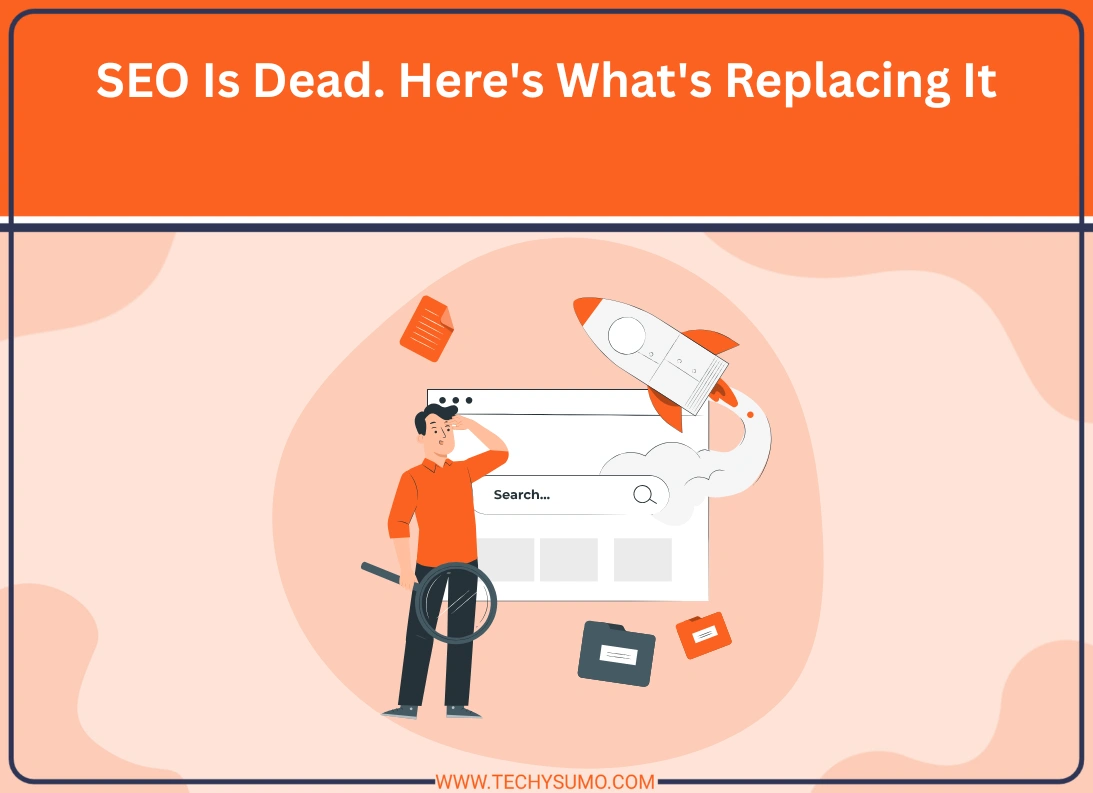
For twenty years the rulebook was simple: rank on Google, get traffic, make sales. That rulebook just got thrown out. Not slowly. Overnight.
The shift happened the moment consumers started typing “best running shoes for flat feet” into ChatGPT instead of Google – and getting a direct answer with a product recommendation, no blue links required. The moment “anniversary gift under $500” became a prompt, not a search query. The moment AI stopped being a novelty and became the first place people went when they wanted to buy something.
We are living through the most significant distribution shift in e-commerce since Google itself disrupted the Yellow Pages. And the brands that recognise it right now – in 2025, not 2027 – are the ones who will own the next decade of online retail. Comergent has been tracking this shift in real time across thousands of Shopify stores.
“The new storefront isn’t a website. It’s a chat interface.”
Table of Contents
The Numbers Don’t Lie
At Comergent, we track AI-referred revenue across thousands of Shopify stores. What we’re seeing is no longer a rounding error or an interesting experiment. It’s a real, attributable sales channel – growing faster than any channel we’ve seen since the rise of social commerce.
Also Read
| RITKEEP$200K Revenue in 90 days via ChatGPT & Microsoft Copilot | STM TUNED$58K 90-day revenue attributed to AI engine referrals | DARPAN MANGATRAI$18K 3 months + 8% lift in average order value |
These are not traffic numbers. These are not impressions. These are orders, with dollar values, tagged directly to the AI engine that referred them. And the brands missing out on this revenue? They’re not small or unsophisticated. They’re just optimised for the wrong era.
| FREE TOOL · TAKES 60 SECONDSIs Your Brand Visible on ChatGPT, Gemini & Perplexity? Run a free GEO audit and see exactly where your brand shows up – or doesn’t – across every major AI engine.→ Run Free GEO Audit at comergent.ai/geo-grader |
What Actually Changed
Google’s job is to show you a list of relevant links. AI engines don’t work this way. ChatGPT, Gemini, Perplexity, and Copilot don’t return a list – they return an answer. And when that answer involves a product recommendation, they cite between three and five sources. Total.
| Dimension | Traditional SEO | AI / GEO |
| Result format | 10 blue links, page 1–N | Direct answer, 3–5 citations |
| Optimises for | Keywords & backlinks | Intent & structured entities |
| Measurement | Rankings & clicks | Citations & attributed revenue |
| Consolation prize | Page 2, position 6 | None – cited or invisible |
| Content style | Keyword density | Natural language, buyer intent |
In the AI era, if you’re not in the top three to five sources an AI engine reaches for when someone asks about your product category, you don’t exist. There’s no page two. There’s no consolation prize for position six.
Why Your SEO Investment Won’t Save You
Here’s the uncomfortable truth: everything you’ve done to rank on Google may be actively working against you in AI search.
A page stuffed with “best pearl necklace India” fifteen times looks like spam to a large language model. A page that clearly explains the difference between Akoya and freshwater pearls, addresses common buying concerns, includes real customer reviews, and demonstrates genuine expertise – that’s the page an AI cites.
The brands that treat GEO (Generative Engine Optimisation) as “just like SEO but for AI” will lose. It requires a fundamentally different approach to how products are described, how content is structured, and how a brand establishes its authority with machine readers rather than human readers.
The Three Pillars of AI Visibility
| 1. Agentic Product Feeds AI shopping agents parse structured data – entity definitions that clearly communicate what a product is, who it’s for, and how it compares to alternatives. The standard Shopify description written for human readers tells an AI almost nothing useful. What works is a product entity that reads more like a structured brief: pearl type, grade, size range, clasp material, ideal buyer, relevant search intents, and the specific questions it answers. |
| 2. Intent-Mapped Content When someone asks ChatGPT, “best anniversary gift jewellery under $500 India,” the AI is looking for a source that has specifically addressed that intent. These queries are categorically different from traditional search queries – longer, more conversational, more specific. The brands winning on AI channels publish articles, FAQs, and buying guides structured around real buyer intents, not keyword volumes. |
| 3. Revenue Attribution Infrastructure AI-referred sessions behave differently from organic search sessions – the referrer signals are different. Without specific infrastructure to capture and attribute AI-origin sessions, brands have no idea how much revenue they’re already getting from AI, or losing to competitors. You can’t optimise what you can’t measure. |
| Want to know how your brand scores across all three pillars? Run a free GEO audit on Comergent it benchmarks your agentic feed, content intent-mapping, and attribution readiness in minutes. |
The First-Mover Advantage Is Real And Shrinking
In 2024, almost no brand was thinking about AI discovery optimisation. In 2025, a small number of forward-thinking brands are building their presence and accumulating the citation history, content authority, and structured data infrastructure that AI engines will continue to reward.
In 2026, this will be table stakes. The brands who started in 2025 will have a compounding advantage. The window for first-mover advantage in GEO is open right now. It won’t stay open long.
What To Do in the Next 30 Days
Audit your AI visibility
Type the buying queries your customers use into ChatGPT, Gemini, and Perplexity. Is your brand mentioned? Or save time — run a free automated GEO audit and get a full gap report in seconds.
Rewrite product descriptions for AI readers
Every major product should have a structured description that clearly communicates product type, materials, use cases, ideal buyer, and answers to common pre-purchase questions. Think entity definition, not marketing copy.
Publish intent-mapped content
Identify the five to ten real natural language queries your buyers use before purchasing. Write dedicated articles, FAQs, and buying guides that directly and specifically answer each one.
Set up AI attribution tracking
Platforms like Comergent do this automatically, but even manually monitoring your referrer data for AI engine signatures is a start.
Start now
The brands already on this path have a head start. Every month you wait is a month of citation history your competitors are accumulating.
When a buyer asks ChatGPT about your category does your brand come up, or does your competitor’s?SEO as we knew it is being replaced right now by a fundamentally different discovery paradigm. The brands that recognise this shift in 2025 and move accordingly will own the next wave of e-commerce growth.→ Run Free GEO Audit→ Learn More at Comergent