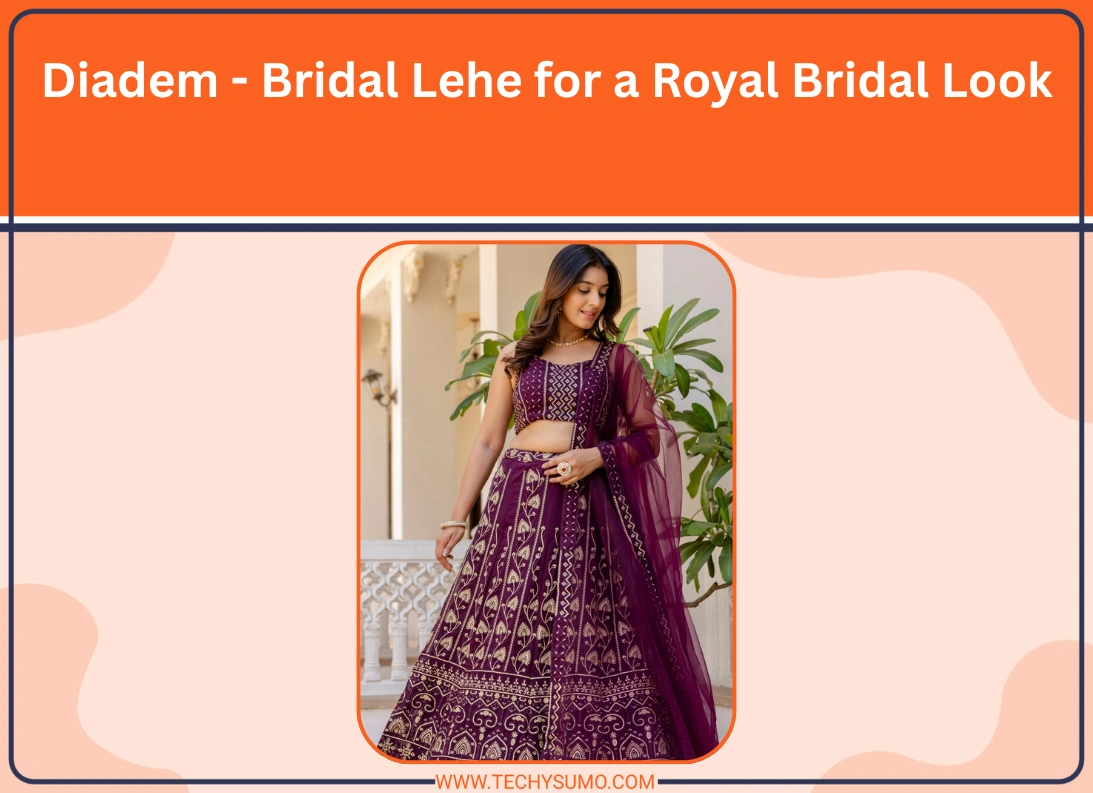
A wedding outfit is never just another piece of clothing. For many brides, it becomes part of a memory that stays alive for decades. The moment a bride enters the venue, every detail matters – the embroidery catching the light, the movement of the dupatta, the richness of the fabric, and the confidence reflected in her expression. That is exactly where the Diadem – Bridal Lehe creates its magic.
It blends tradition with grandeur in a way that feels timeless. The design language is rooted in Indian bridal heritage, yet it carries a royal charm that instantly makes the bride stand out. From intricate zardozi work to luxurious velvet drapes, every element of the Diadem – Bridal Lehe is crafted to create a regal wedding appearance.
For modern brides searching for elegance without losing cultural authenticity, this bridal style has become more than a fashion choice. It has become a statement.
Table of Contents
- What Is a Diadem – Bridal Lehe?
- Why Brides Are Drawn to the Diadem – Bridal Lehe
- The Cultural Roots Behind the Design
- Choosing the Right Fabric for Your Bridal Look
- Popular Diadem – Bridal Lehe Styles
- Color Trends That Define Modern Bridal Fashion
- Embroidery Techniques That Elevate the Outfit
- How to Choose the Perfect Diadem – Bridal Lehe
- Styling the Diadem – Bridal Lehe
- Bridal Trends Defining 2025
- Preserving Your Bridal Lehe After the Wedding
- Is the Diadem – Bridal Lehe Worth the Investment?
- Common Styling Mistakes Brides Should Avoid
- Final Thoughts
What Is a Diadem – Bridal Lehe?
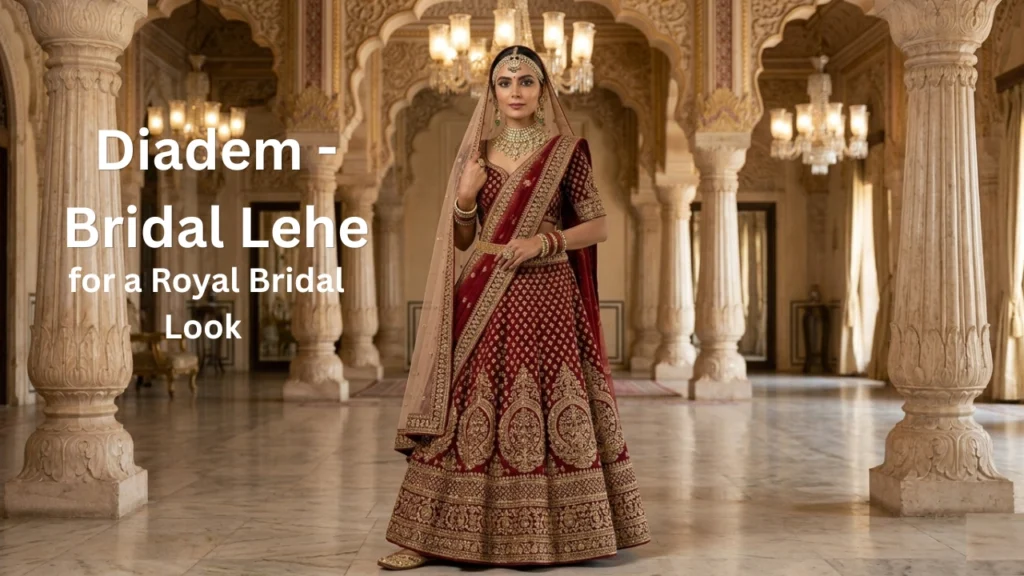
The word “Diadem” traditionally refers to a jeweled crown associated with royalty and prestige. Combined with “Bridal Lehe,” inspired by the classic Indian lehenga, the term represents a bridal outfit designed to give a queen-like presence.
The ensemble usually includes three essential pieces:
Also Read


Lehenga
The flared skirt forms the centerpiece of the attire. It is often decorated with heavy embroidery, sequins, zari work, or handcrafted embellishments that create movement and richness.
Choli
The blouse can range from traditional cuts to contemporary silhouettes. Brides often experiment with sleeve lengths, necklines, and back patterns to personalize the look.
Dupatta
The dupatta adds softness and grace to the outfit. Whether draped traditionally over the head or styled in a modern layered form, it completes the bridal aesthetic.
Together, these elements create the Diadem – Bridal Lehe – a bridal outfit that feels deeply traditional while still carrying a luxurious couture appeal.
Why Brides Are Drawn to the Diadem – Bridal Lehe
There is something emotionally powerful about wearing an outfit that feels royal. The Diadem – Bridal Lehe carries that exact emotion.
It reflects heritage while embracing modern bridal fashion. Brides love it because it offers versatility across wedding functions, from the mehndi ceremony to the reception. At the same time, the handcrafted embroidery and premium fabrics make it feel exclusive.
Another reason behind its popularity is craftsmanship. Many of these bridal pieces are created by skilled artisans who spend weeks or even months completing the embroidery by hand. That level of detailing transforms the outfit into wearable art.
The Cultural Roots Behind the Design
The bridal lehenga has evolved through centuries of Indian fashion history. Mughal influence introduced luxurious fabrics, gold thread embroidery, and royal silhouettes. Rajasthani traditions added vibrant colours and mirror work, while regional styles across India shaped the modern bridal aesthetic brides know today.
The Diadem – Bridal Lehe draws inspiration from those historical influences. It carries the richness of traditional bridal attire but adapts beautifully to contemporary weddings.
In North India, red remains a dominant bridal shade because of its connection to love and prosperity. Gujarat and Rajasthan are known for mirror embellishments and vibrant tones. South Indian bridal styling often includes silk fabrics paired with temple jewellery.
Modern weddings, however, have expanded the palette. Brides now confidently explore pastels, metallic tones, and unconventional embroidery styles without losing the cultural essence of the lehenga.
Choosing the Right Fabric for Your Bridal Look
Fabric changes everything about a bridal outfit – the way it falls, the way it photographs, and the way it feels throughout the event.
Silk
Silk remains one of the most timeless bridal fabrics. It offers durability, richness, and a naturally luxurious shine that suits traditional ceremonies beautifully.
Velvet
Velvet is often associated with winter weddings. Its deep texture and regal appearance create an unmistakably royal vibe, especially in darker shades like maroon or emerald green.
Georgette
For brides who prioritize comfort, georgette offers lightweight elegance. It flows beautifully and works well for outdoor or destination weddings.
Net
Net lehengas create volume without adding excessive weight. They are especially popular among brides who want a dreamy princess-inspired appearance.
Brocade
Brocade fabric reflects heritage craftsmanship through woven traditional motifs and intricate textures.
Organza
Organza has become increasingly popular for daytime weddings because of its airy elegance and soft finish.
Popular Diadem – Bridal Lehe Styles
Traditional Red Bridal Lehe
Nothing feels more classic than a deep red bridal lehenga paired with gold embroidery. This style remains a favorite for traditional ceremonies because it reflects heritage and timeless beauty.
Pastel Bridal Lehe
Soft shades like blush pink, powder blue, mint green, and ivory have become popular among brides seeking a modern and understated appearance. These lehengas often feature lighter embroidery for a refined finish.
Royal Velvet Lehe
Velvet bridal outfits create dramatic elegance. Shades like emerald green, navy blue, and dark maroon paired with heavy embellishments instantly create a luxurious bridal look.
Contemporary Fusion Lehe
Modern brides are experimenting with cape dupattas, metallic tones, feather detailing, and sequined embroidery. These fusion styles combine glamour with traditional silhouettes.
Color Trends That Define Modern Bridal Fashion
Color selection has become one of the most exciting parts of bridal styling.
Timeless Shades
Red, gold, and maroon continue to dominate traditional weddings because they never lose their charm.
Soft Contemporary Colors
Pastels and ivory shades work especially well for minimalist themes and daytime celebrations.
Bold Statement Tones
Brides who want something different often choose teal, wine, mustard yellow, or deep jewel tones.
Seasonal choices also influence bridal color trends. Winter weddings favor richer shades, while summer weddings lean toward softer and lighter palettes.
Embroidery Techniques That Elevate the Outfit
The detailing on a Diadem – Bridal Lehe is often what separates it from ordinary bridal wear.
Zari Work
Gold and silver thread embroidery creates a classic royal effect.
Zardozi
Raised metallic embroidery adds depth and dimension to the lehenga.
Mirror Work
Inspired by Rajasthani artistry, mirror embellishments bring vibrancy and texture.
Resham Work
Silk thread embroidery introduces colorful detailing that feels intricate and handcrafted.
Sequins and Beads
These embellishments enhance evening bridal looks by adding sparkle under lighting.
Stone and Kundan Embellishments
Gemstone-inspired detailing creates a luxurious couture finish.
How to Choose the Perfect Diadem – Bridal Lehe
Finding the right bridal outfit involves more than following trends.
Consider Your Body Shape
A-line lehengas flatter most body types, while mermaid silhouettes emphasize curves.
Think About Comfort
Brides spend long hours in their wedding attire. Comfort matters just as much as appearance.
Match the Venue and Season
Heavy velvet outfits may feel overwhelming during summer weddings, while lightweight fabrics may not create the same impact during winter celebrations.
Focus on Photography
Some colors and fabrics photograph better under certain lighting conditions, so it helps to consider the overall wedding setup.
Set a Budget Early
Having a clear budget helps narrow down options and avoids unnecessary stress during shopping.
Styling the Diadem – Bridal Lehe
Styling can completely transform the bridal look.
Jewelry
Kundan necklaces, chandbalis, maang tikkas, and statement earrings pair beautifully with regal lehengas. A crown-inspired accessory or tiara enhances the “Diadem” theme perfectly.
Makeup
Daytime weddings often favor fresh, dewy makeup, while evening functions usually include bold lips and smokey eyes.
Hairstyling
Traditional buns decorated with gajra remain timeless, while soft curls create a more contemporary appearance.
Footwear
Comfortable embellished juttis are ideal for long celebrations, while heeled sandals help create a taller silhouette.
Bridal Trends Defining 2025
Modern bridal fashion is constantly evolving, with brides embracing personalized embroidery, statement blouses, and fusion silhouettes that blend tradition with contemporary elegance. Many brides also look toward modern bridal fashion trends for inspiration when selecting colors, fabrics, and styling details that reflect their personality.
The bridal industry continues to evolve, and the Diadem – Bridal Lehe is adapting with it.
One major trend is dual dupatta styling, where brides layer one traditional dupatta with another designer drape. Personalized embroidery featuring wedding dates or initials is also becoming increasingly popular.
Eco-friendly fabrics are gaining attention among brides who want sustainable fashion choices. Meanwhile, 3D floral embellishments and feather detailing are adding dramatic texture to bridal couture.
Statement blouses with off-shoulder cuts, backless patterns, and unique sleeves are also becoming part of modern bridal styling.
Preserving Your Bridal Lehe After the Wedding
A bridal lehenga often becomes a cherished keepsake, so proper care matters.
Dry cleaning is essential after the wedding to preserve embroidery and fabric quality. Brides are also advised to store the lehenga in muslin cloth to prevent discoloration. Keeping it away from direct sunlight helps maintain the richness of the fabric and embroidery.
Occasional airing prevents moisture buildup and keeps the outfit fresh for years.
Is the Diadem – Bridal Lehe Worth the Investment?
For many brides, absolutely.
Unlike trend-driven outfits that fade with time, the Diadem – Bridal Lehe carries emotional and cultural value. It becomes part of wedding photographs, family memories, and sometimes even future generations.
The combination of craftsmanship, luxury fabrics, and timeless appeal makes it more than just wedding attire. It becomes part of the bride’s personal story.
Common Styling Mistakes Brides Should Avoid
Even the most stunning lehenga can lose impact if styling decisions are rushed.
Over-accessorizing is one of the most common mistakes. Heavy jewelry layered excessively can overshadow the outfit itself. Comfort is another major factor brides sometimes ignore in pursuit of style.
Choosing trendy designs without considering timelessness can also affect how wedding photographs age over time. Brides should also avoid last-minute makeup experiments and uncomfortable footwear choices that may create unnecessary stress during the event.
Most importantly, confidence matters. The best bridal look always comes from feeling comfortable and happy in what you wear.
Final Thoughts
The Diadem – Bridal Lehe represents far more than fashion. It captures heritage, artistry, and personal expression in a single bridal ensemble. Whether designed in rich traditional reds or modern pastel shades, it creates a bridal appearance that feels unforgettable.
Every stitch, every embellishment, and every drape contributes to a larger story – the story of a bride stepping into one of the biggest moments of her life with elegance, confidence, and grace.
And in the end, that is what truly makes the Diadem – Bridal Lehe timeless.