Voiceovers have become a key feature of digital media. They are used to clarify ideas, tell stories, and entertain an average audience. But making an audio recording right can take a while. May also need special equipment or voice acting. In today’s world, AI is transforming this process. AI voice tools can convert text to speech. They provide new content creation options. They also increase the usability of voiceovers.
Table of Contents
What Are AI Voiceovers?
AI voiceovers are computer-generated speech generated by artificial intelligence. Users type in a text and select a voice. It is then used to create an audio file. Some tools have accents, tones, and speaking styles. Others need to be in support for multiple languages. It can also be used for projects that require frequent updates with audio. AI voiceovers are a game-changer for content creation. AI Voiceovers: A game-changer for content creation. There are several steps in the production process that can be simplified by using AI voice tools. They can help minimize the number of re-recordings.
How AI Voiceovers Make Content Creation Easier
AI voice tools can simplify several steps in production. They can reduce the need for repeated recording sessions.
Faster Audio Production
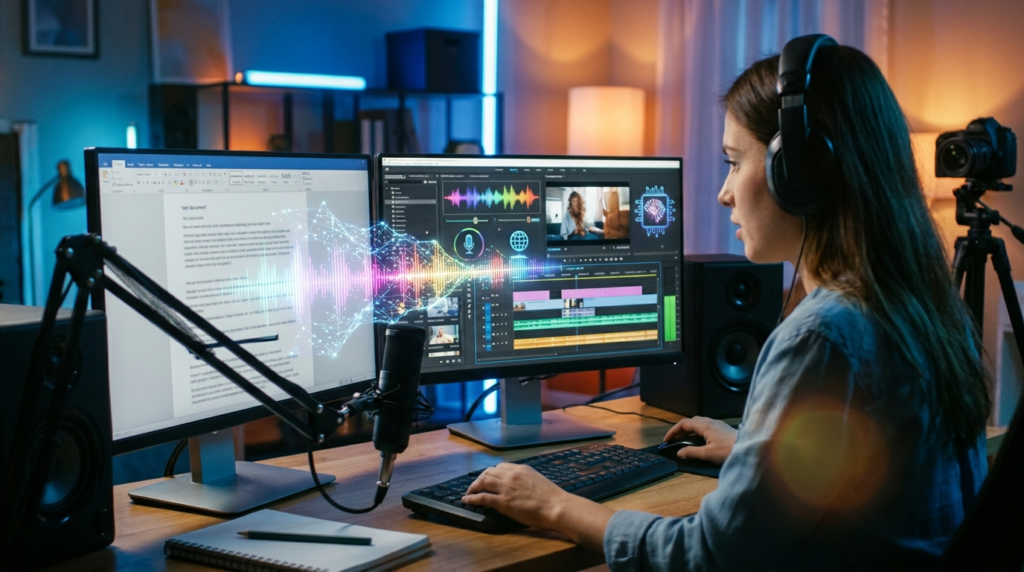
Preparing for voiceovers is the key to the process of recording voiceovers. It may require a few tries for speakers to get the right outcome. An ai voice generator can generate the audio from a written script in a shorter amount of time. This can be helpful to a creator who is working within a short time frame. It is also helpful for content that requires regular updates.
Easy Script Changes
Minor script modifications can cause additional effort when recording. AI voice tools streamline the revision process. Users can edit the text and create new audio. This helps to save time in training videos and product guides. This also ensures that information is updated.
Also Read

Support for Different Languages
Certain tools can create speech in various languages. It can assist brands to reach a larger audience. But there is still a need to have translations reviewed. Local phrases & cultural details are important. A literal translation might not sound natural.
Where AI Voiceovers Are Being Used
AI voiceovers now support many types of digital content.
- Educational videos:
- Marketing content:.
- Training materials:
- Podcasts:
- Accessibility:
The best approach depends on the audience and purpose.
AI Voiceovers vs. Human Voiceovers
Both options come with some handy characteristics. The appropriate option is dependent on the project. Some creators employ both techniques. AI provides simple narration, and human speakers provide essential messages. Product videos and social media videos can be equipped with voiceover for marketing purposes.
Tips for Creating Better AI Voiceovers
Good audio starts with a clear script. These simple steps can improve the final result.
- Write for Speech
- Choose the Right Voice
- Check Pronunciation
- Adjust Pacing
- Review Audio Quality
Challenges and Ethical Considerations
There are also significant ethical issues to consider when using AI voiceovers.
- Voice Consent
There are a few tools that can produce a voice like that of a real person. Before cloning or imitating another person’s voice, one should have permission from the user.
- Copyright and Usage Rights
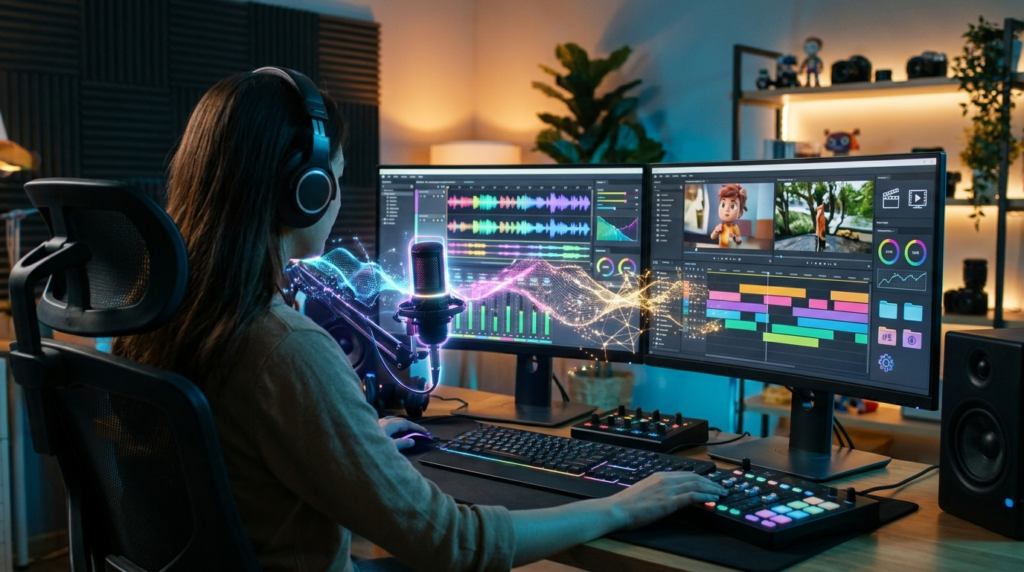
The rights to voice and sound are variable. Be sure to review the platform’s terms before using the audio created on the platform in a commercial project.
- Audience Trust
Synthetic voices should not fool people. Disclosure might be warranted in certain environments, particularly when trust and sensitivity are essential.
- Quality Limitations
The Future of AI Voiceovers
AI voice technology is going to be more flexible. Tools can provide greater emotional control and more natural speech. Editing functions can also be more user-friendly. These changes can aid creators to make content for various audiences. They might also lower certain manufacturing constraints. However, there’s more to a strong voice than good content. Good ideas, helpful information, and well-told stories are still very important.
Conclusion
AI voiceovers are revolutionizing the creation of digital content. They can help accelerate audio production and ease revisions. In addition, they provide a valuable resource for education, marketing, and training. But there are still quality checks, consent, and honest use. AI voice tools, if used properly, can help facilitate a more flexible content creation process.