EHS software helps organizations manage safety work that is often spread across paper forms, spreadsheets, email threads, and separate training systems.
The right platform can make inspections easier to document, incidents easier to report, and audit records easier to access when they are needed.
This list compares five EHS and training-focused solutions that support different operational needs, from frontline safety workflows to learning management and multi-site administration.
It also looks at where each platform fits best, so teams can choose a system that matches their workforce, compliance requirements, and day-to-day safety processes.
Table of Contents
iTacit
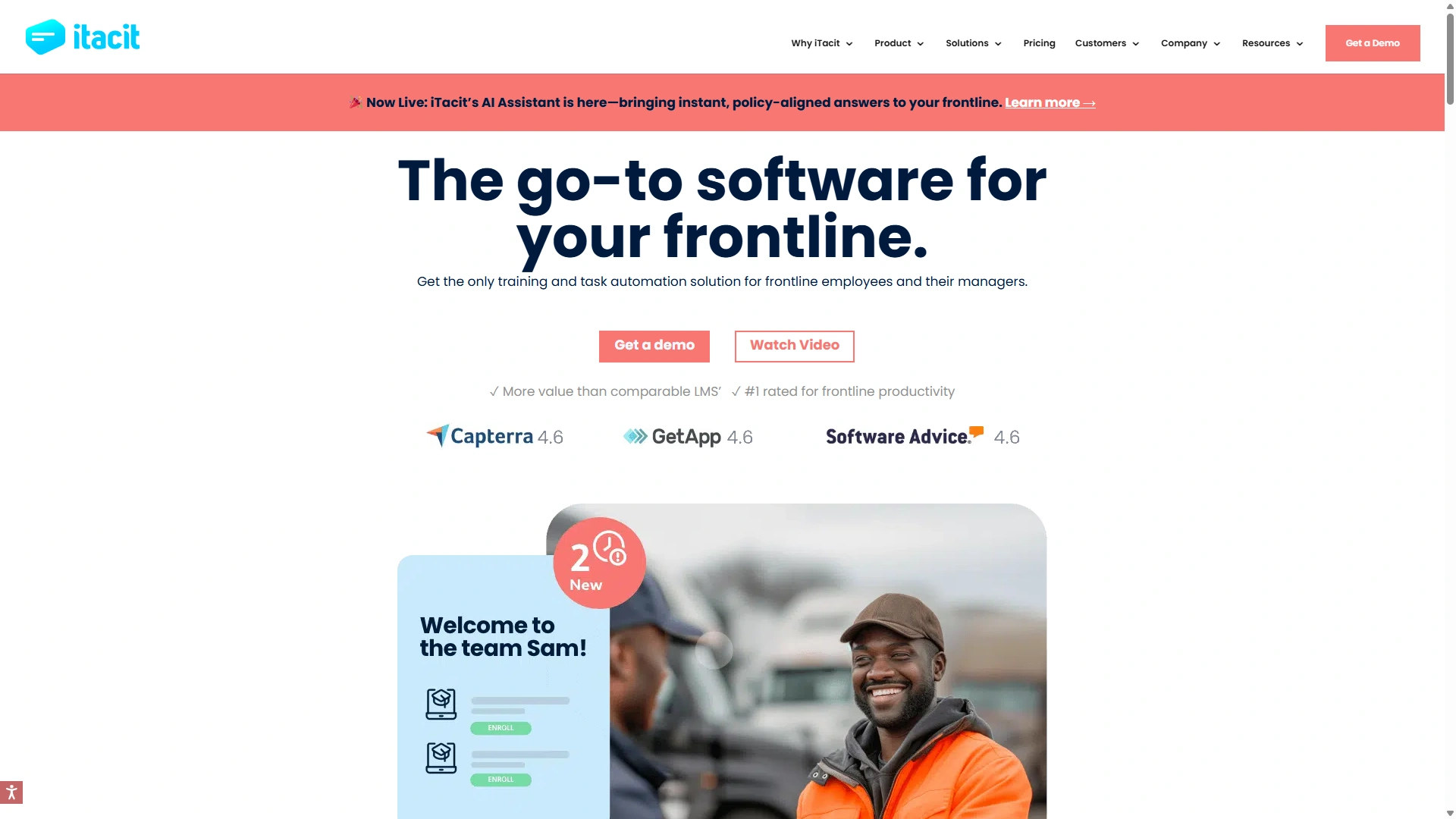
For organizations that need mobile access to training, inspections, forms, and compliance records, iTacit offers EHS safety management software built to help frontline teams keep safety tasks, audit preparation, and reporting workflows connected in one system.
Also Read

The platform is designed for workers who may not use corporate email or desktop systems every day. That makes it useful for field teams, shift-based workforces, and multi-site operations where safety information needs to move quickly between employees, supervisors, and compliance leaders.
Its EHS tools support safety training, inspections, forms, incident reporting, corrective actions, and certification tracking.
This helps teams reduce scattered documentation and build more consistent safety records across locations. It also gives managers clearer visibility into what has been completed, what needs follow-up, and where compliance gaps may exist.
Key Features
The platform brings several safety management functions into one workflow. Safety teams can assign and track training, collect inspection data through digital forms, and document incidents from the field.
Corrective actions can then be tracked through resolution, helping managers follow up instead of relying on manual reminders.
Certification tracking also helps organizations monitor role-based requirements and renewal dates. This is valuable for teams that need clear records for internal audits, regulatory reviews, or site-level compliance checks.
Because the system is mobile-first, workers can access forms, learning materials, messages, and safety tasks without waiting until they return to a desk. That can improve reporting speed and help safety records stay current.
Ideal For
This option fits organizations with deskless, frontline, or field-based workers. It is especially useful for safety leaders, operations managers, and compliance teams that manage training, inspections, incidents, and corrective actions across multiple sites.
It also works well for organizations that want a connected EHS workflow without making frontline employees depend on complex desktop tools.
Why It Stands Out
This solution stands out for its focus on practical frontline access. Many safety systems are built around office-based users, which can limit adoption among workers who handle daily safety tasks in the field. A mobile-first structure helps close that gap.
It was also selected for this list because it combines several core EHS functions in one place and supports teams that need audit-ready records, faster follow-up, and clearer accountability across sites.
Anthology
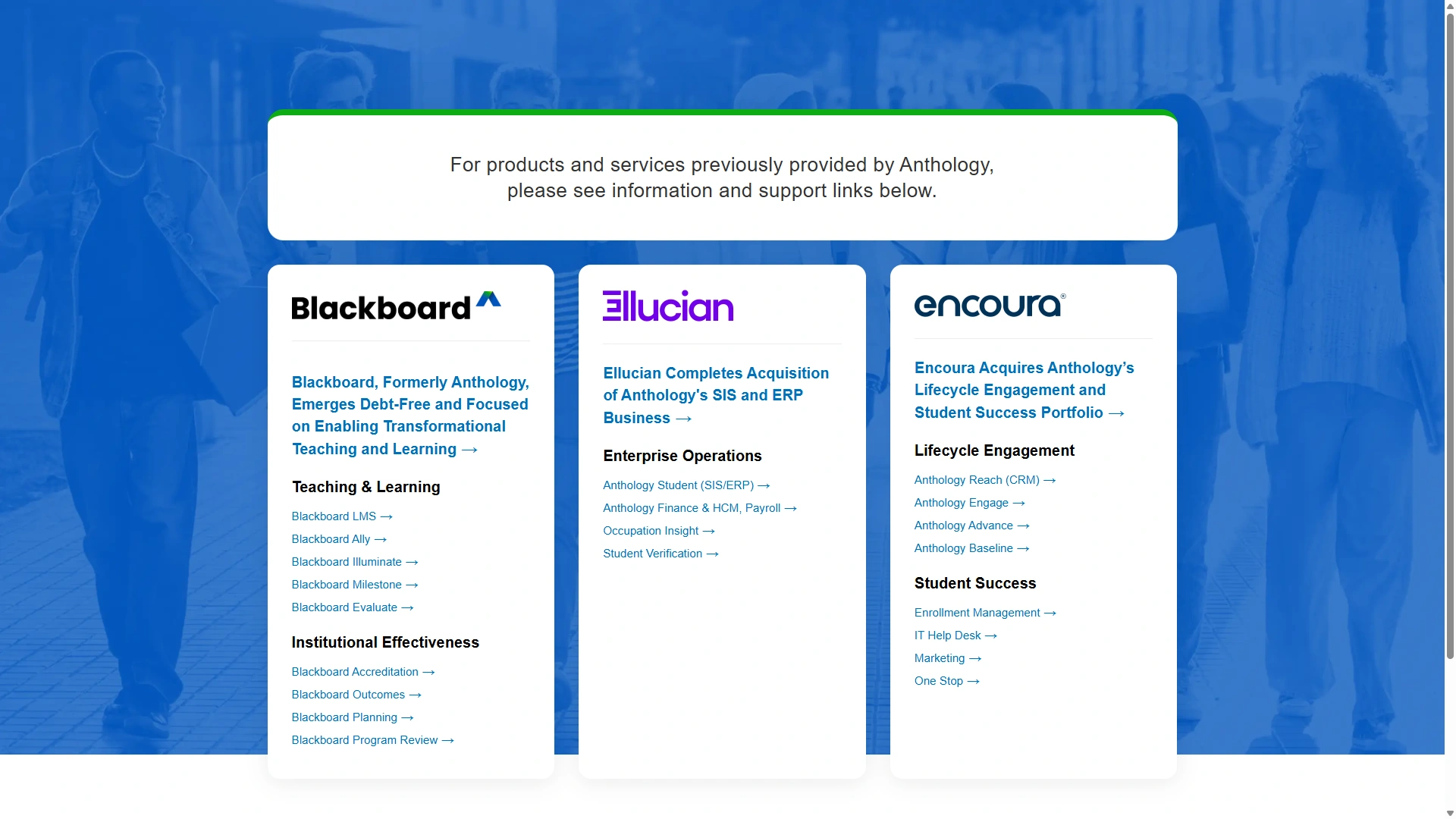
Anthology is best known in the education sector, where institutions often need to connect learning, student information, compliance records, and reporting.
Its product ecosystem includes platforms such as Blackboard LMS, Anthology Student, and Anthology Reach, which can support training delivery, academic administration, and institutional workflows.
For organizations in education, safety training may sit alongside other compliance tasks, including student records, financial aid processes, and institutional reporting. An anthology can help centralize these records and make it easier to review activity across systems.
Key Features
Anthology Student includes audit tracking for changes to student information and administrative records. This can help institutions monitor updates, review historical activity, and support compliance processes.
Blackboard LMS supports digital learning delivery, course content, assessments, accessibility features, and progress tracking. For safety or compliance training in an academic setting, this can help administrators assign required materials and monitor completion.
The broader Anthology ecosystem also supports communication, engagement, and reporting. These tools can be useful for institutions that already rely on integrated student and learning systems.
Ideal For
Anthology is best suited for higher education institutions and education-focused organizations that need learning management, student administration, and compliance reporting in one broader ecosystem.
It is less focused on field inspections or incident workflows, so it may not be the best fit for organizations that need frontline EHS operations as their main priority.
Why It Stands Out
Anthology stands out because it connects learning and administrative systems in a way that supports institutional oversight. For education teams, this can simplify recordkeeping and reporting across departments.
Its main strength is structured academic compliance and learning administration rather than hands-on safety management in the field.
Coassemble
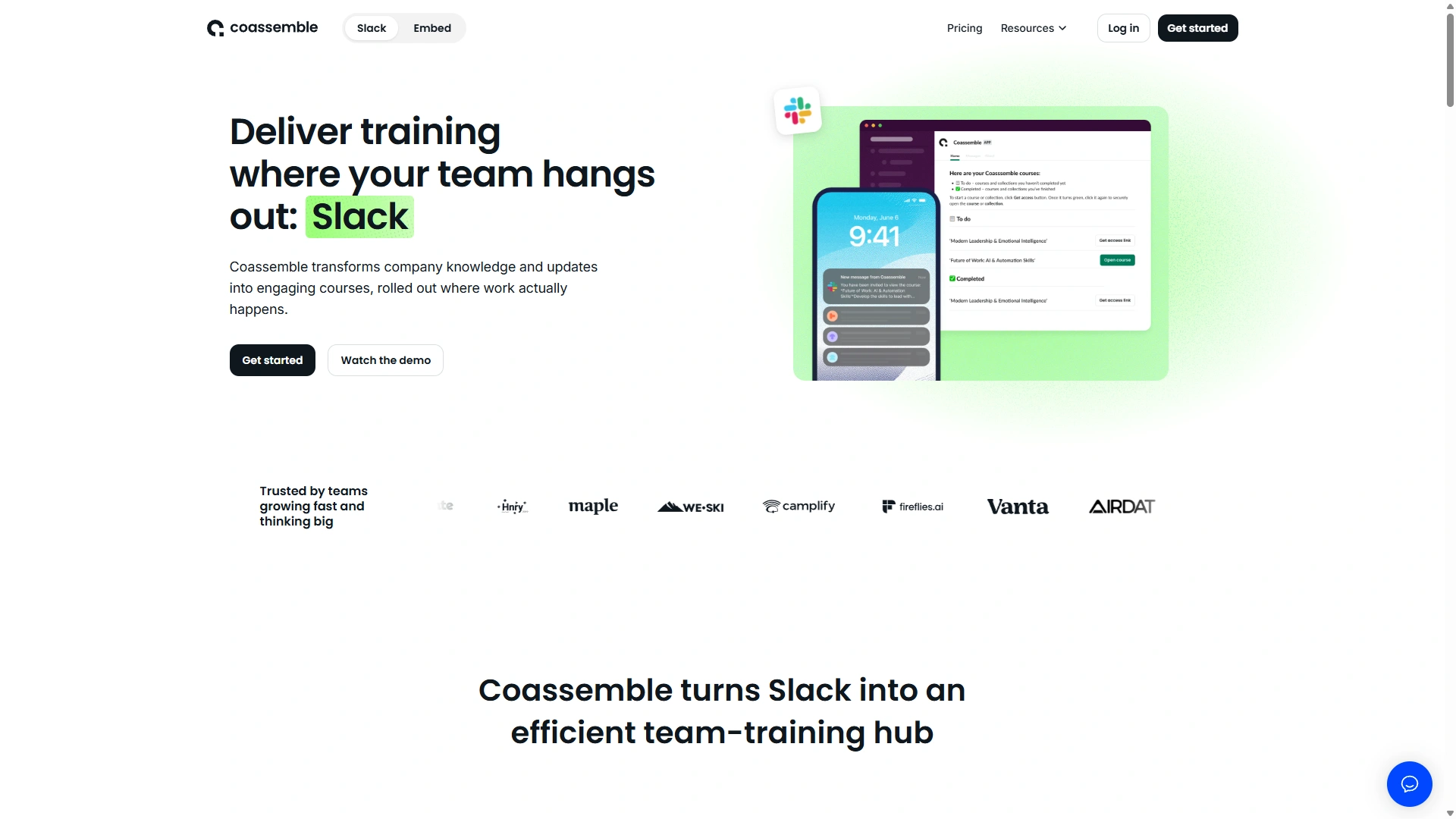
Coassemble is a training platform that helps teams turn existing documents, presentations, and policies into interactive learning content.
For safety teams with established procedures already stored in PowerPoints, PDFs, or Word documents, this can reduce the time needed to build training from scratch.
It is especially useful when the main goal is to deliver short, trackable training rather than manage a full EHS program.
Teams can create courses, assign learning, and monitor completion from a simpler training environment.
Key Features
Coassemble can convert static materials into structured courses with quizzes, checkpoints, and learner tracking. This helps organizations make safety policies easier to complete and measure.
The platform also supports course templates, reporting dashboards, and integrations that help training teams manage content more efficiently.
For organizations that use workplace communication tools, embedded training delivery can reduce login friction and improve participation.
Completion tracking gives managers a clearer view of who has finished required learning and who still needs follow-up. This can support internal audit preparation when training records are part of the review process.
Ideal For
Coassemble is a good fit for small and mid-sized organizations that need to create and update training quickly. It is also useful for compliance teams that already have strong safety content but need a better way to deliver and track it.
It may not be enough for organizations that need deeper EHS features such as inspections, incident reporting, corrective action workflows, or certification management.
Why It Stands Out
Coassemble stands out for speed and ease of course creation. It helps teams reuse existing materials and turn them into more engaging training content without a long development process.
Its strongest use case is training delivery, especially when organizations need to update learning materials often.
Tovuti
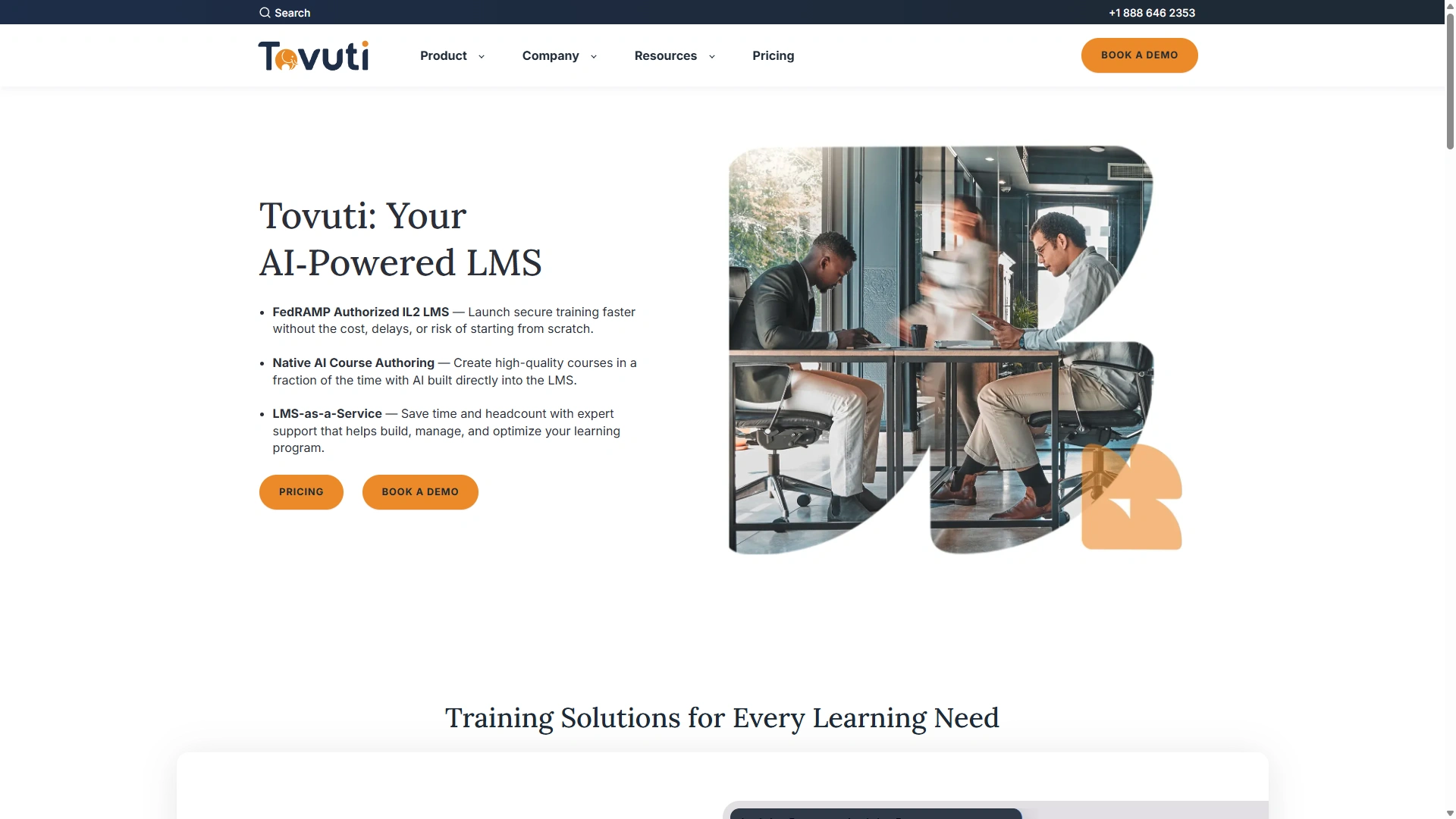
Tovuti is a learning management system that supports training delivery, course creation, learner tracking, and multi-site administration.
It is useful for organizations that need to manage separate branded learning portals while keeping administration centralized.
This can be helpful for franchises, partner training programs, staffing companies, and organizations with different business units that each need their own learning environment.
Key Features
Tovuti supports automated training assignments based on factors such as role, group, department, or location. This helps administrators deliver required courses without manually assigning each learner.
The platform includes tools for creating interactive course content, tracking completion, managing certifications, and collecting acknowledgments. These features can support compliance training and help teams maintain clearer records.
Tovuti also offers learner portals, mobile access, reporting tools, and integrations with other business systems. Its multi-tenant structure allows different groups or client programs to have separate branded learning spaces under one administrative setup.
Ideal For
Tovuti is a strong fit for franchises, training providers, partner enablement programs, staffing firms, and organizations that need different learning portals for different audiences.
It is also useful for teams that need centralized training control across several locations or client groups.
Why It Stands Out
Tovuti stands out for its multi-tenant learning structure. Organizations can manage several branded portals without fully separating administration.
Its main strength is training management across different groups, rather than dedicated EHS operations such as field inspections or incident closeout.
Lingio
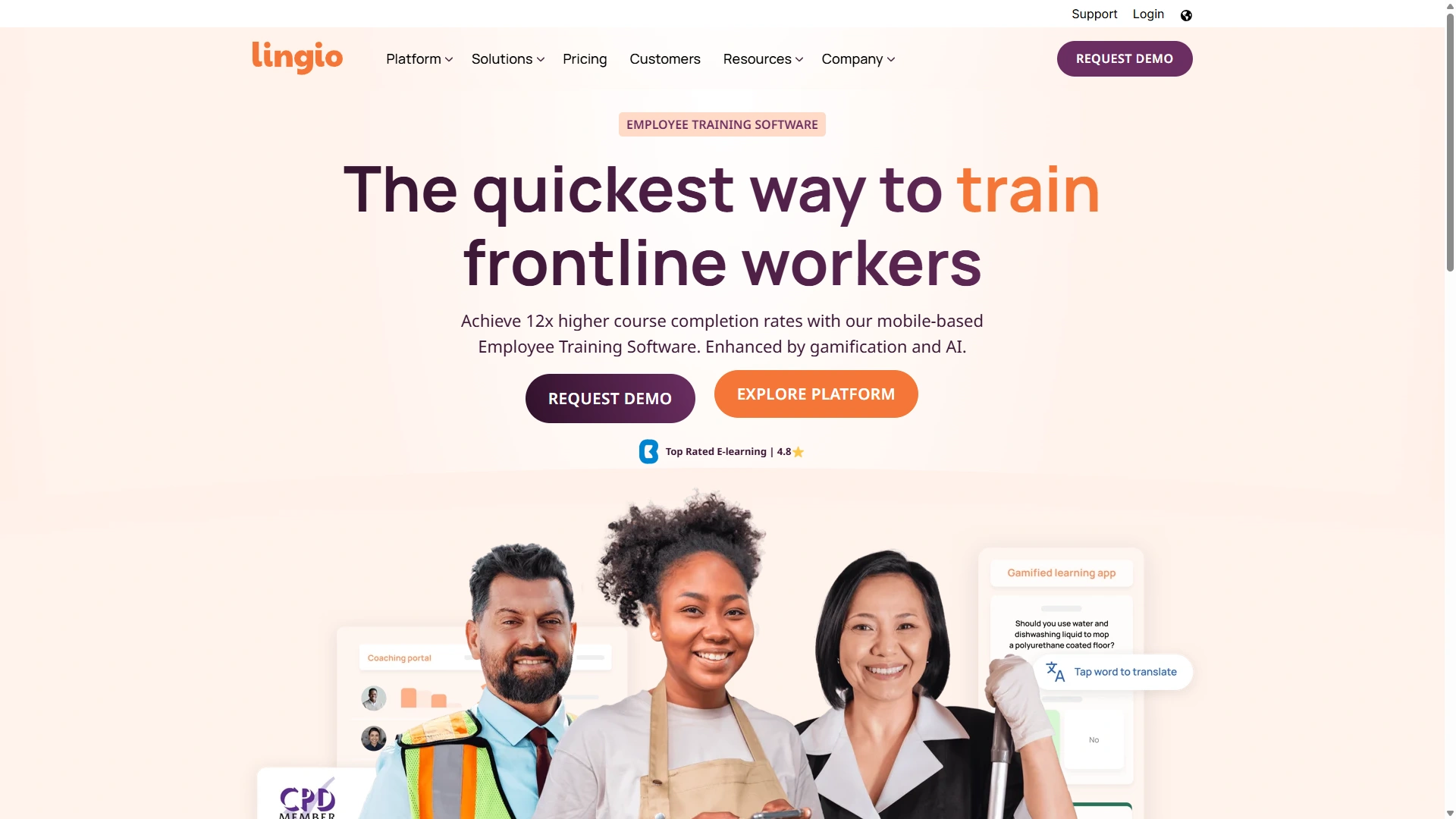
Lingio focuses on mobile microlearning for deskless and frontline workers. Its training format is built around short learning sessions that employees can complete during the workday without stepping away from operations for long periods.
For teams in industries such as hospitality, cleaning, transportation, facility services, and care services, this format can make required training easier to fit into daily routines.
Key Features
Lingio supports mobile-based courses, short lessons, quizzes, and gamified learning activities. This helps teams deliver safety, compliance, and workplace training in a format that is easier for busy frontline workers to complete.
The platform also includes AI-assisted course creation, templates, learner tracking, reminders, and analytics. Translation features can help organizations deliver training to multilingual teams.
Managers can monitor completion and identify learners who need follow-up. This helps organizations maintain clearer training records and support audit preparation when training completion is part of compliance documentation.
Ideal For
Lingio is best for organizations with deskless employees who need short, mobile-friendly training. It works well when the primary challenge is improving course completion and engagement.
It may be less suitable for teams that need a full EHS operating system with inspections, incident reporting, corrective actions, and field documentation.
Why It Stands Out
Lingio stands out for making training more accessible to frontline workers. Its short lessons, mobile delivery, and gamified format can help reduce friction in required learning.
Its strongest fit is employee training and engagement rather than full safety operations management.
Conclusion
The best EHS solution depends on how an organization manages safety work each day.
Some teams need a connected platform for inspections, incident reporting, corrective actions, and audit records. Others need stronger training delivery, multi-site learning administration, or institutional compliance tracking.
Anthology supports education-focused compliance and learning workflows, while Coassemble, Tovuti, and Lingio focus on different types of training management.
For organizations with frontline teams, mobile access and connected safety records are especially important.
A strong choice should reduce scattered documentation, support clear accountability, and make safety processes easier to maintain across locations.