Most folks won’t pause just because they see your logo. When you’re stacked among countless other trade fairs, street markets, and game-day crowds, it gets noisy real fast. People walk by fast, choosing spots before even thinking twice. Out there, shade isn’t just a function; it pulls weight in making first moves for the brand.
These days, custom tents do much more than just hold up signs above your head. Because shape matters, so does how you arrange the space inside. Instead of only thinking about colors, consider how they guide attention across the area. People notice brightness before anything else when walking by. A well-planned path keeps guests moving without feeling pushed. Good setups let companies show who they are while staying open and friendly. Feeling cramped? That often comes from poor planning, not size.
Out front, some brands now pick shelters meant to look good while pulling crowds inside. Memory sticks when spaces feel alive, not just visible. What stays with guests often begins long after they’ve walked away.
Table of Contents
Custom Tents Built to Stand Out Through Design and Brand Presence
1. Strong Visual Identity Comes First
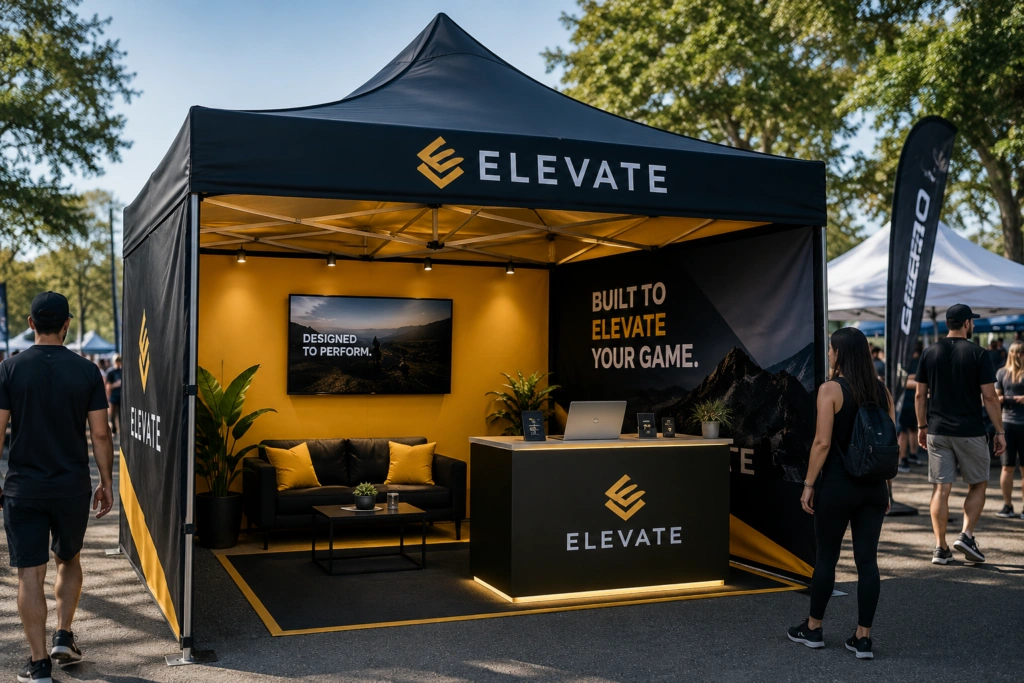
Most people see the shade and shape first, not the text. When banners use company hues, clear visuals sit well beside even spacing, making them pop among busy backdrops.
Every time a canopy matches the wall colors and signs, it sticks in your mind. Because visuals line up, folks get what the business is about faster, no confusion weighing them down.
Also Read
What sticks isn’t always what shouts loudest. Simplicity shapes how people remember you, instead of noise drowning out the message through too much on display that fades fast.
2. How Layout Shapes Affect Movement
A tent might seem grand when seen far off, but it can falter under the weight of foot traffic. How things are arranged shifts whether people flow in smoothly or get stuck trying to move around. The way inside opens up, deciding if guests wander freely or feel boxed in without noticing.
Walkways that flow naturally guide people through spaces without hassle. Displays set up with room to move let guests find their way smoothly. Spacious layouts make it easier for talk to start when crowds gather.
Smooth layout pulls folks along without shouting. A well-planned look speaks through calm cues instead of loud demands. Quiet details lead eyes where they need to go, avoiding pushy signals. Simple choices shape movement softly, using flow more than force.
3. Graphics Should Be Clear Without Fluff
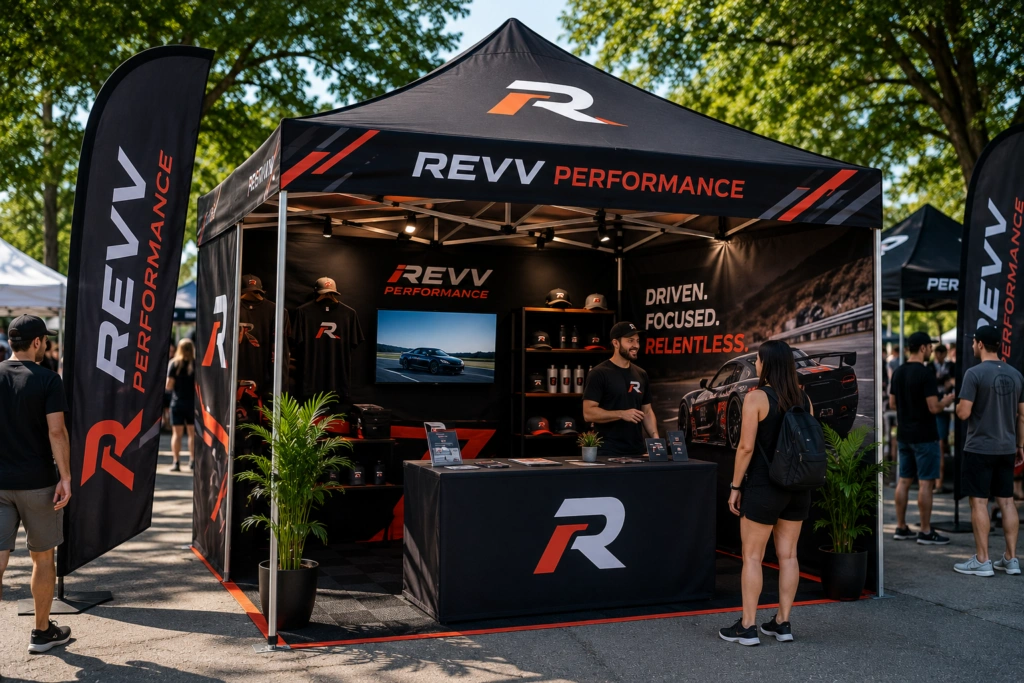
Big visuals grab eyes, yet clutter can push people away. When walking through event spaces, folks tend to notice clear signs more quickly.
From various viewpoints, visibility holds strong when logos stay clean, and messages aim true, yet spacing guides attention. Best results come through designs that work just as well up close as they do far off.
Most folks grab the point quicker if pictures stick to one idea.
4. Lighting Changes How Spaces Feel
Light does not always fall evenly on screens. Inside buildings, when the sun goes down, or under cover, colors shift. What looks sharp at noon might blur by dusk.
Over there, light draws eyes to signs, items on display, or spots where people gather, setting a mood near the tent. A gentle glow, focused beams, or targeted lighting give branded shelters a warmer feel, helping them stand out effortlessly.
Before a single word is spoken, light already shapes how people feel.
5. Interactive Elements Hold Focus
Most people today expect more than just watching events. Those displays that invite them to touch, move, or join in tend to hold their attention much longer.
Here’s something: touchscreens pop up inside tents, making things move beyond just standing signs. Because of this, guests often stay longer, drawn into how they can interact with a brand alongside trade show inflatables. What happens next? They explore without being pushed. Moments like these make space feel alive, not stuck in place.
Curiosity stretches best when space opens up. Growth follows close behind.
End Point
Out here, custom tents aren’t just about slapping a logo on fabric. With smart layouts tucked beside bold visuals, they pull visitors into the brand story without shouting it. Light plays across surfaces in quiet ways, guiding movement. Instead of standing apart, these structures blend right into the noise and then stand out by feeling different.
Most companies that chase more attention at events do better when they stop focusing solely on branding. Crowded rooms rarely reward loud visuals or giant banners; instead, moments that stick happen in spaces built to feel human, clear, and quietly intentional.