Security used to be mostly reactive. Something happened, an alarm went off, and someone reviewed footage afterwards to work out what went wrong. That approach still has a place, but for businesses managing vehicles, equipment, worksites or mobile assets, waiting until after an incident often isn’t good enough.
Modern monitoring has become far more intelligent, especially as detection technology improves. A useful example is the difference between PIR vs AI detection, because the way a system identifies movement can have a big impact on how quickly teams respond, how many false alerts they deal with, and how well assets are protected in the real world.
Table of Contents
Why basic motion detection has limits
Traditional motion detection can be helpful, but it’s not always very selective. If a sensor reacts simply because something moved, it may struggle to tell the difference between a person, an animal, a tree branch, a shadow or a passing vehicle.
That matters because false alerts create fatigue. When staff are constantly notified about harmless movement, they naturally start paying less attention. Over time, the system becomes easier to ignore, even when a genuine threat appears.
For fleets and worksites, this can be particularly frustrating. Equipment is often stored outdoors, vehicles may be parked in changing environments, and lighting or weather conditions can shift throughout the day. A detection system that works well in a controlled indoor space may not perform as reliably in a yard, depot or remote site.
Also Read


Smarter alerts make monitoring more useful
AI-based detection aims to reduce that noise by recognising what the system is actually looking at. Instead of treating all motion as equal, it can help identify people, vehicles or specific activity patterns, depending on the technology being used.
The value here isn’t just technical. It’s practical. If a manager receives fewer but more meaningful alerts, they’re more likely to act quickly when something needs attention. Security teams can focus on real risks rather than spending time checking clips of wind, rain or harmless movement.
This can also support better decision-making after an event. Clearer footage, more accurate triggers and better context can make it easier to understand what happened, when it happened, and whether follow-up action is needed.
Fleet protection needs more than cameras
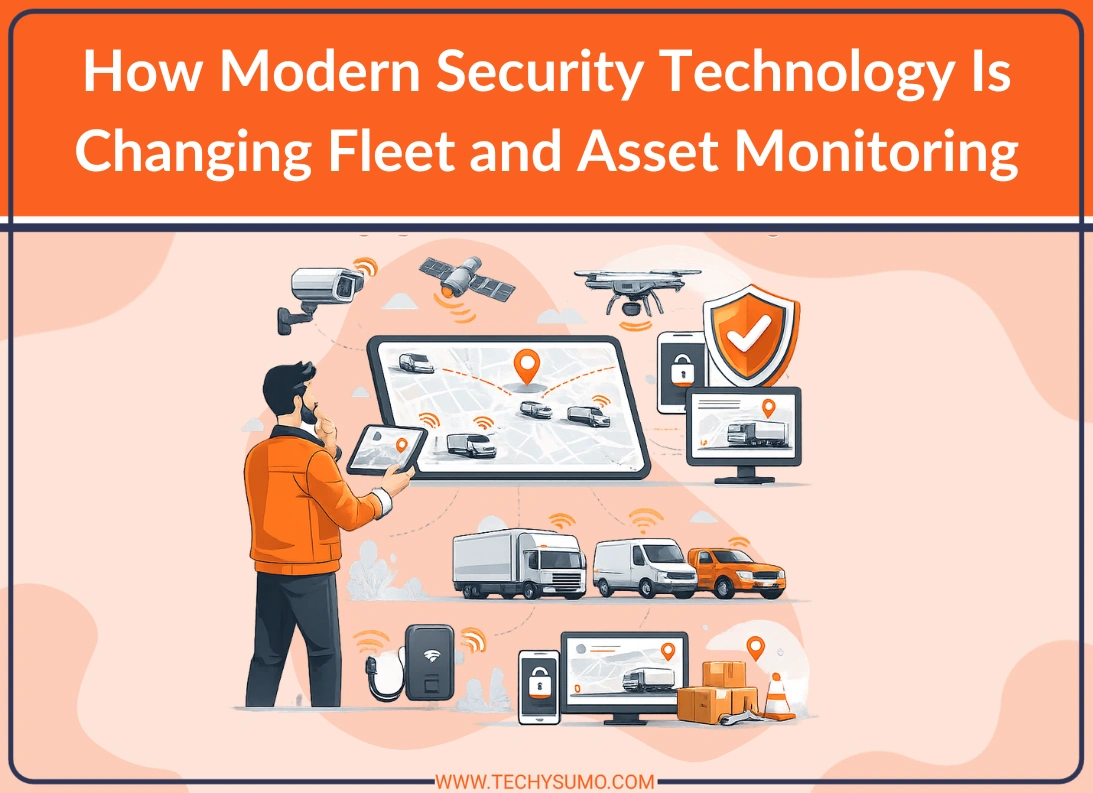
For businesses with vehicles on the road or equipment spread across multiple sites, security is rarely solved by one tool alone. Cameras, GPS tracking, access control, driver identification, geofencing and alert systems can all work together to create a fuller picture.
This joined-up approach is especially useful when assets are mobile. A vehicle might be safe in one location but at risk in another. A piece of equipment might be used properly during the day, then become vulnerable overnight. The more visibility a business has, the easier it becomes to spot unusual activity early.
Of course, technology should fit the way the business actually operates. A small trade fleet, a large logistics operation and a construction company with high-value machinery may all need different levels of monitoring.
Don’t forget the human side
Even the smartest system needs people to use it well. Staff should understand what alerts mean, who’s responsible for responding, and how incidents should be recorded or escalated. Without a clear process, even good technology can become another dashboard that nobody checks properly.
Training doesn’t need to be complicated, but it should be specific enough that people know what to do when the system flags something unusual.
Better detection means better response
The point of modern security technology isn’t to collect more footage for the sake of it. It’s to help businesses respond faster, reduce false alarms and protect valuable assets with more confidence.
When detection becomes more accurate, monitoring becomes less of a guessing game. That can make a real difference for fleet managers, site supervisors and business owners who need to know what’s happening before a small incident turns into a costly one.