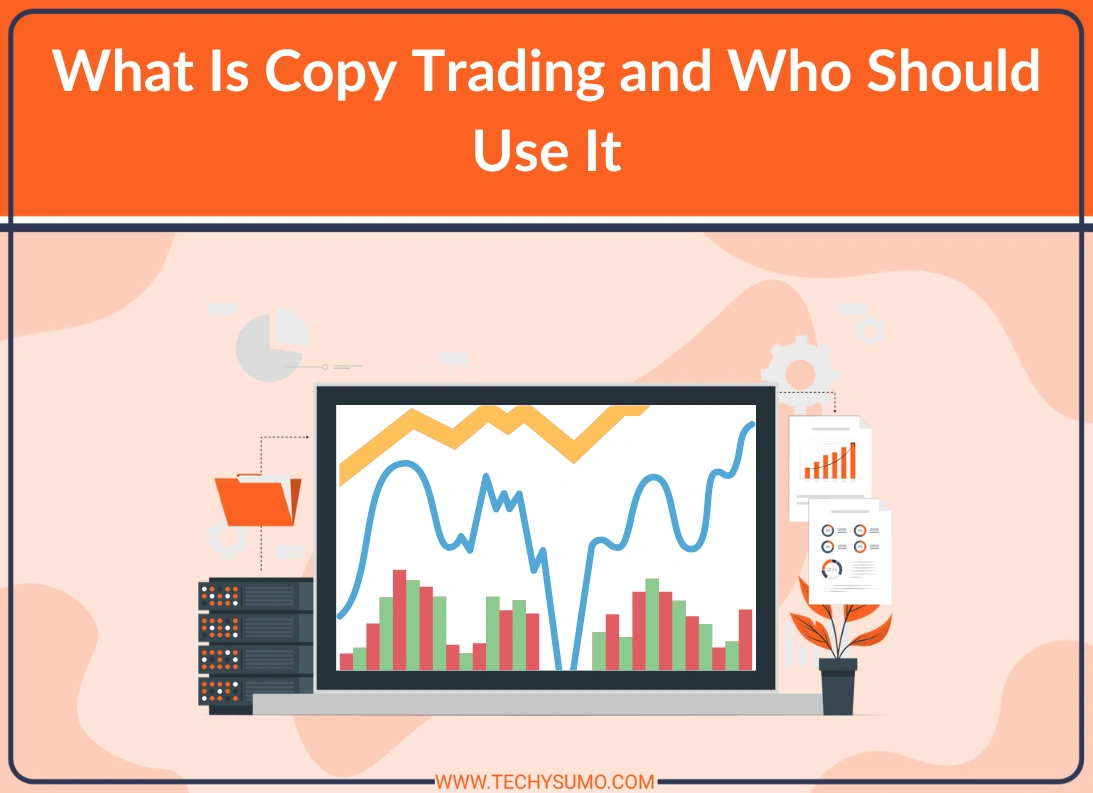
Copy trading has revolutionized how individuals participate in financial markets by automating the procedure of duplicating successful traders’ positions. Rather than dedicating hours examining charts and market information, you link your account to skilled strategy providers whose trades automatically replicate in your portfolio. When they initiate a position, you initiate the identical position proportionally according to your designated funds. When they terminate, you terminate.
The mechanics are uncomplicated but the implications extend further. Most platforms present comprehensive performance statistics including past returns, maximum decline levels, success rates, and trading regularity. You preserve complete authority to suspend copying, modify position magnitudes, or detach completely whenever situations alter. This positions you somewhere between passive investing and active trading, providing you exposure to professional strategies without demanding that you implement every choice yourself.
Table of Contents
How Signal Mirroring Actually Works
Signal mirroring operates through automated systems that link your trading account to a strategy provider’s activity. These systems monitor the provider’s transactions in real time and replicate them in your account according to predefined ratios. If the provider allocates five percent of their capital to a trade and you’ve set a one-to-one copy ratio, five percent of your allocated funds will enter the same position.
The synchronization happens within milliseconds in most cases, though execution quality varies. Latency becomes critical during volatile market conditions when prices shift rapidly. Even minor delays between when the provider places their trade and when yours executes can create meaningful differences in entry and exit prices. This slippage compounds over time, particularly for strategies involving scalping or news-based trading where timing determines profitability.
Understanding Drawdown and Execution Risk
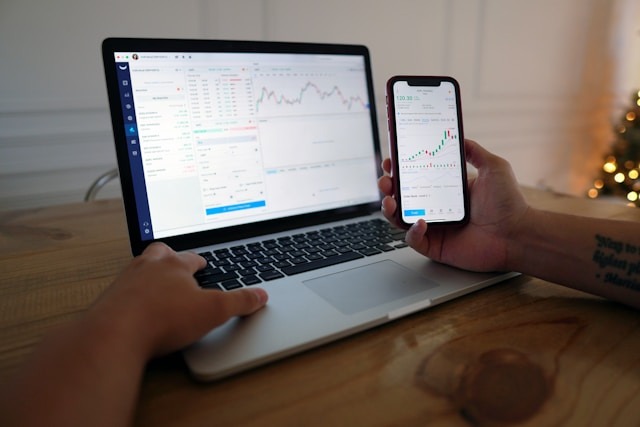
Drawdown refers to the decline from peak equity to trough before recovery. Setting subscription-level drawdown limits creates automatic circuit breakers that reduce or stop copying when losses reach predetermined thresholds. Most practitioners recommend caps between three to five percent of allocated capital per provider, with overall portfolio maximums protecting against simultaneous failures.
Also Read

Execution risk manifests in several ways. Latency between provider and follower accounts creates timing gaps where market conditions shift. Liquidity constraints mean that large orders may not fill at the same prices across all accounts, particularly for instruments with thinner order books. Order type mismatches occur when platforms convert the provider’s limit orders to market orders for followers, resulting in different execution prices.
Risk Management Framework
Effective copy trading requires active risk management despite its automated nature. Diversification across five to eight providers with uncorrelated strategies spreads exposure and reduces the impact of any single provider’s failure. Allocating no more than fifteen to twenty percent of your copy trading capital to any one provider prevents concentration risk.
Position-level stops complement provider-level controls. Setting maximum loss limits per trade protects against catastrophic moves, though these should align with the provider’s typical stop placement to avoid premature exits. When evaluating platforms and brokers to ensure proper risk controls are available, click here for a user-friendly CFD trading platform that demonstrates integrated risk management tools, educational resources about leverage and market dynamics, and transparent fee disclosure before you commit capital.
Due Diligence on Strategy Providers
Choosing providers necessitates examining beyond prominent returns to comprehend how those outcomes were attained. Past performance over a minimum of twelve months supplies context, but uniformity holds greater importance than maximum gains. Examine maximum drawdown figures to assess how much the provider risked to achieve their returns. Compare their worst losing periods against your own risk tolerance.
Trading frequency and strategy style should align with your expectations. High-frequency approaches generate more transaction costs and require superior execution infrastructure. Swing trading strategies hold positions longer, reducing execution risk but increasing overnight exposure. Position sizing discipline separates skilled providers from lucky ones. Review whether they use consistent risk per trade or increase exposure during drawdown, which often precedes larger losses.
Who Benefits Most from Copy Trading
Copy trading suits several distinct groups. Beginners without market experience gain exposure to professional strategies while learning through observation. Instead of paper trading or making costly initial mistakes, they participate in real markets with experienced guidance. The educational component proves valuable as watching provider decision-making patterns builds market understanding over time.
Time-constrained individuals who lack bandwidth for active trading benefit from delegation. Professionals in other fields can maintain market exposure without daily chart monitoring or news tracking. The automation handles execution while allowing strategic oversight of provider selection and risk parameters.
Those developing their own strategies use copy trading for diversification. While building personal approaches and testing new concepts, allocating portions of capital to established providers maintains portfolio stability. This creates income streams that cushion experimentation costs.
Endnote
The approach requires realistic expectations about returns and risks. Markets involve uncertainty regardless of skill level. Provider performance from past periods offers no guarantee of future results. Successful copy trading combines careful provider selection, disciplined risk management, ongoing monitoring, and acceptance that losses form part of the process. Those prepared to engage actively with these responsibilities while benefiting from automation find copy trading valuable. Those expecting passive guaranteed returns face disappointment.