

Let’s be honest: modern buildings are under siege. Energy bills keep climbing. Safety regulations get tighter every year. Everyone expects operations to run like clockwork. Your grandfather’s electrical systems? They’re simply not cutting it anymore.
Consider this: commercial smart buildings installed over 1.5 billion IoT devices in 2022 alone, that’s roughly 11.8% of every connected device on the planet. By 2028, we’re looking at 3.25 billion devices. Mind-blowing, right? But here’s the thing, all that connectivity needs infrastructure that won’t let you down.
Enter low voltage products, which deliver safer, leaner power distribution for everything from your lighting controls to security cameras, all while making your operational life significantly easier.
Table of Contents
What Modern Low Voltage Systems Actually Do
Today’s electrical world essentially divides into two camps. High voltage tackles your heavy machinery. Low voltage electrical systems handle controls, communications, and safety functions. This split? It’s more crucial than most people realize.
The Real Differences That Matter
Most low voltage distribution systems run below 50 volts AC or 120 volts DC, though practical installations often stretch to 600 volts or less. Why does this matter to you? Safety, primarily.
Also Read

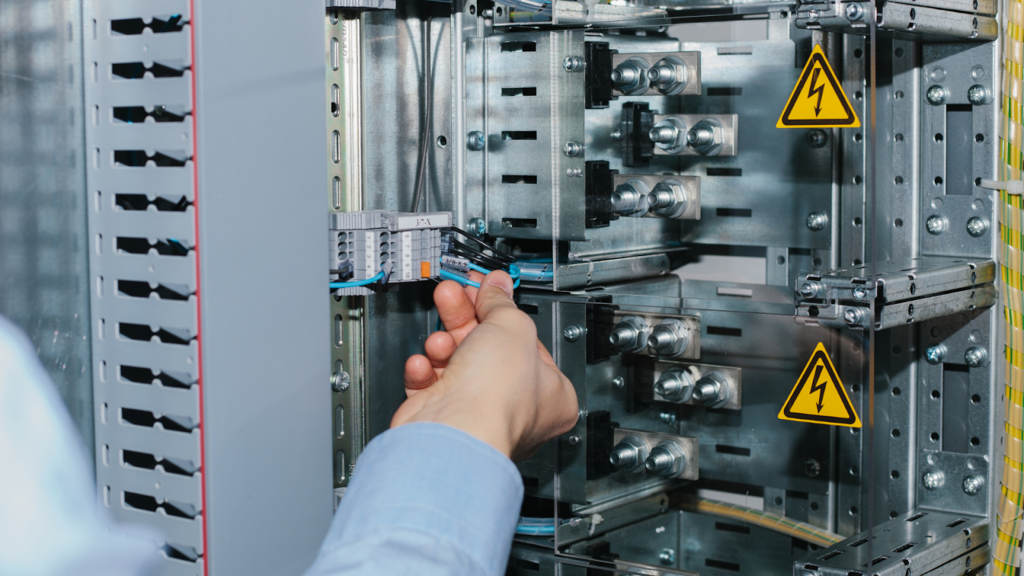
Lower voltage translates directly to reduced shock risk. Arc flash hazards practically disappear. These systems energize your circuit breakers, contactors, control panels, and busbar networks, basically, they’re the nervous system for anything requiring precise control without high-voltage dangers. What really stands out is their flexibility. Need to add sensors? Want to reconfigure sections? You won’t be shutting down entire buildings just to make changes happen.
Safety Benefits to Overlook
Real electrical safety in buildings begins with voltage decisions. Lower numbers mean dramatically less severe accidents when things go wrong. Touch-safe enclosures become straightforward to engineer. Insulation requirements? They’re a breeze compared to medium-voltage equipment. Ground fault protection performs reliably, intercepting problems before they morph into fires or injuries.
Fort Lauderdale’s commercial landscape perfectly illustrates modern infrastructure challenges. That coastal humidity and salt air? Yet those office towers and healthcare facilities need absolutely reliable systems.
Working with a skilled low voltage contractor fort lauderdale ensures your installations satisfy Florida’s demanding building codes and hurricane-preparedness standards. These specialists know local requirements inside and out, backup power integration, storm-resistant designs that keep critical systems operational when the grid goes dark.
How Smart Integration Transforms Operations
Here’s where low voltage products get genuinely exciting, when they connect with building automation systems. We’ve moved way past simple switches.
IoT and Automation Working Together
Smart building infrastructure depends completely on low voltage networks. Every occupancy sensor. Every thermostat makes micro-adjustments. Every card reader guarding your doors. All low voltage. These systems speak through protocols like BACnet and Modbus, weaving networks that’d be utterly impossible with high-voltage gear.
Security and access control systems? They’re exploding in adoption, estimates suggest 646 million devices in current projections. This surge comes from low voltage’s unique ability to support dense installations both safely and economically.
Your HVAC integrates beautifully with low voltage controls, fine-tuning airflow based on real-time occupancy. Lighting adapts to daylight availability and actual room usage. The entire structure becomes intelligent rather than passive.
Energy Management That Impacts Your Bottom Line
This is where building owners perk up their ears. Energy savings directly boost profitability. Low voltage monitoring gear tracks consumption at individual circuit levels, exposing waste you’d never spot otherwise. Demand response systems automatically drop non-essential loads when electricity pricing spikes. Power quality analyzers spot harmonic problems before they fry sensitive equipment. The kicker? The monitoring infrastructure itself uses minimal power, unlike older systems that wasted energy just measuring energy.
Selecting the Right Products for Your Needs
Picking low voltage electrical systems components means balancing current requirements with future uncertainty. Nobody has a crystal ball, but smart design builds in flexibility.
Technical Specs That Count
Size current ratings for actual loads plus buffer, 20-30% overhead prevents premature equipment swaps. Short-circuit ratings aren’t negotiable; undersized breakers fail spectacularly. Temperature derating factors deserve attention, particularly in enclosed areas where heat accumulates quickly.
Communication capability stopped being optional years ago. Built-in protocols enable remote monitoring and diagnostics, catching failures before they trigger downtime. Even entry-level panels now include connectivity features that seemed futuristic not long ago.
Planning for Tomorrow’s Technology
Modular designs let you replace components without ripping out entire systems. Seek products with documented APIs, proprietary platforms chain you to vendors who might vanish within a decade. Standard mounting and spacing conventions simplify upgrades when better technology emerges. Energy efficiency certifications signal products that’ll remain compliant as codes evolve. Quality matters tremendously here; cheap panels need replacement within years while robust ones deliver decades of service.
Building for Tomorrow Starts with Smart Choices Today
Low voltage products represent far more than individual components, they’re the essential foundation enabling every advancement in smart building infrastructure. Whether you’re breaking ground on new construction or modernizing existing facilities, committing to quality low voltage infrastructure positions your building for decades of dependable, efficient performance.
The buildings dominating tomorrow’s market are getting wired correctly right now. Don’t get left behind running yesterday’s technology into an increasingly demanding future.
Your Questions About Low Voltage Infrastructure Answered
How exactly do low voltage products make buildings safer than conventional systems?
They dramatically cut shock and arc flash dangers. Lower voltage equals less energy released during faults, providing protective devices crucial extra time to interrupt circuits. Touch-safe construction and superior ground fault protection stop most incidents before they occur.
Can older buildings incorporate modern low voltage distribution systems?
Definitely. Split-core current transformers and wireless sensors install without tearing apart walls. Phased implementation lets you upgrade sections during routine maintenance periods. Most improvements recoup costs through energy savings within three to five years, the ROI basically sells itself.
What kind of maintenance do smart low voltage electrical systems require?
Surprisingly little. Predictive monitoring identifies developing issues early, meaning you’re addressing minor problems rather than emergency catastrophes. Quarterly thermal imaging catches hot connections. Annual firmware updates maintain cybersecurity protection. Testing protective devices every few years confirms they’ll perform when needed.

