In today’s competitive business world, reaching potential customers quickly and effectively is essential for business growth. Outbound calls are one of the most efficient ways to engage prospects and drive sales. However, manually dialing hundreds of numbers is time-consuming and prone to errors.
A call center dialer makes this process easier. It helps businesses contact more potential customers, boost agent productivity, and raise lead conversion rates.
Table of Contents
What Are Outbound Calls?
Outbound calls are proactive calls made by a business to reach prospects or existing customers. Unlike inbound calls, which are initiated by the customer, outbound calls allow businesses to:
- Promote products or services directly to prospects
- Follow up on inquiries or past interactions
- Conduct surveys and gather customer feedback
- Remind customers about appointments, renewals, or payments
These calls are essential for driving revenue and maintaining strong customer relationships. Outbound calling can be very effective.
However, doing it manually often wastes time. It can also cause inconsistent communication and agent fatigue. A call center dialer solves these problems. It helps agents focus on having good conversations instead of making repetitive calls.
Also Read


Challenges of Manual Outbound Calling
Managing outbound calls manually comes with several drawbacks:
- Time-consuming dialing: Agents spend significant hours dialing numbers instead of speaking with customers.
- Low productivity: Manual dialing restricts the total number of calls an agent can make in a day.
- Human error: Mis-dialed numbers or skipped contacts result in lost leads.
- Inconsistent follow-ups: Without proper tracking, people may delay or forget follow-ups.
Implementing a call center dialer reduces these inefficiencies. It helps teams make calls at the best times. It tracks all interactions and lets managers check performance better. When combined with a Telecalling CRM, it offers complete visibility into lead status, ensuring no opportunity is missed.
How a Call Center Dialer Works
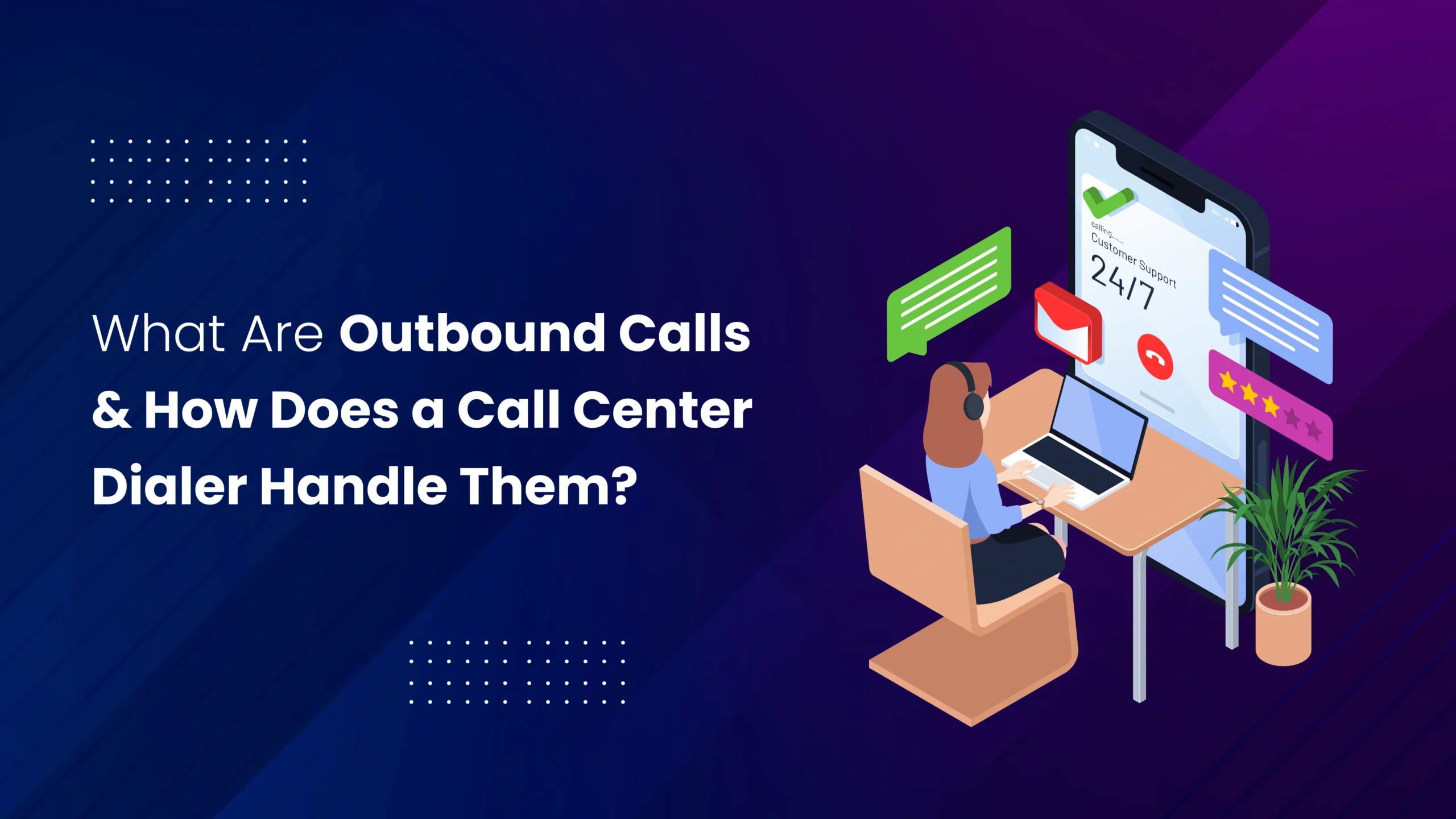
A call center dialer automates the dialing process and connects agents only when a live answer is detected. By doing so, it maximizes agent efficiency and reduces downtime. Common features include:
- Predictive Dialing: Uses algorithms to forecast agent availability and call outcomes, dialing multiple numbers simultaneously.
- Power Dialing: Dials the next number automatically, minimizing idle time.
- Preview Dialing: Gives agents access to lead details before connecting, enabling personalized conversations.
- Automatic Call Logging: Tracks call details and outcomes for reporting, analysis, and performance improvement.
Many organizations also use lead management software to organize their prospects systematically. This software helps teams prioritize leads, schedule follow-ups, and track interactions, ensuring they miss no opportunities. Using a dialer with a lead management system creates a clear way to make outbound calls. This makes sales efforts more predictable, measurable, and focused on results.
Real-World Applications of Call Center Dialers
A call center dialer benefits multiple industries:
- E-commerce: Follow up with customers who abandoned carts to recover potential sales.
- Financial Services: Remind clients about policy renewals or introduce new products.
- Healthcare: Confirm appointments, schedule follow-ups, and share health updates.
- Education: Contact prospective students and parents about courses, admissions, and events.
- Real Estate: Follow up with property inquiries, schedule site visits, and nurture potential buyers throughout the sales cycle.
- Automobile Dealerships: Connect with leads about test drives, new vehicle launches, and service reminders to boost engagement and sales.
All businesses can benefit from a call center dialer. It ensures that every outbound call remains targeted, tracked, and effective. By automating repetitive tasks, sales teams can focus on building relationships and improving conversion rates.
Benefits of Using a Call Center Dialer
Investing in a call center dialer provides several advantages:
- Increased Productivity: Agents spend more time speaking to prospects rather than dialing numbers.
- Better Lead Oversight: Managers can monitor follow-ups and lead status efficiently.
- Higher Conversion Rates: Automated and timely calls increase the chances of turning prospects into customers.
- Reduced Errors: Automation minimizes mis-dials and skipped contacts.
- Scalability: Businesses can handle higher call volumes without proportionally increasing staff.
Best Practices for Outbound Calling
To maximize results from outbound calls using a call center dialer:
- Segment Leads: Prioritize prospects based on behavior, interest, or demographics.
- Optimize Call Timing: Identify the best times to reach potential customers.
- Monitor Metrics: Track call outcomes, agent performance, and conversion rates.
- Provide Agent Training: Ensure agents are proficient in using the dialer and communicating effectively.
- Maintain Updated Leads: Keep the lead database current to avoid calling outdated or incorrect contacts.
Conclusion
Outbound calls remain a critical strategy for proactive customer engagement. A call center dialer streamlines the calling process, reduces errors, and increases agent productivity. When combined with lead management software, businesses can track leads effectively, prioritize follow-ups, and improve conversion rates.
For businesses that want to boost sales and grow their customer base, using a call center dialer is a smart choice. It’s not just about making more calls. It’s about making smarter calls that get real results. These calls can improve customer relationships and support long-term growth.