Table of Contents
From Front Desk to Intelligent Interface
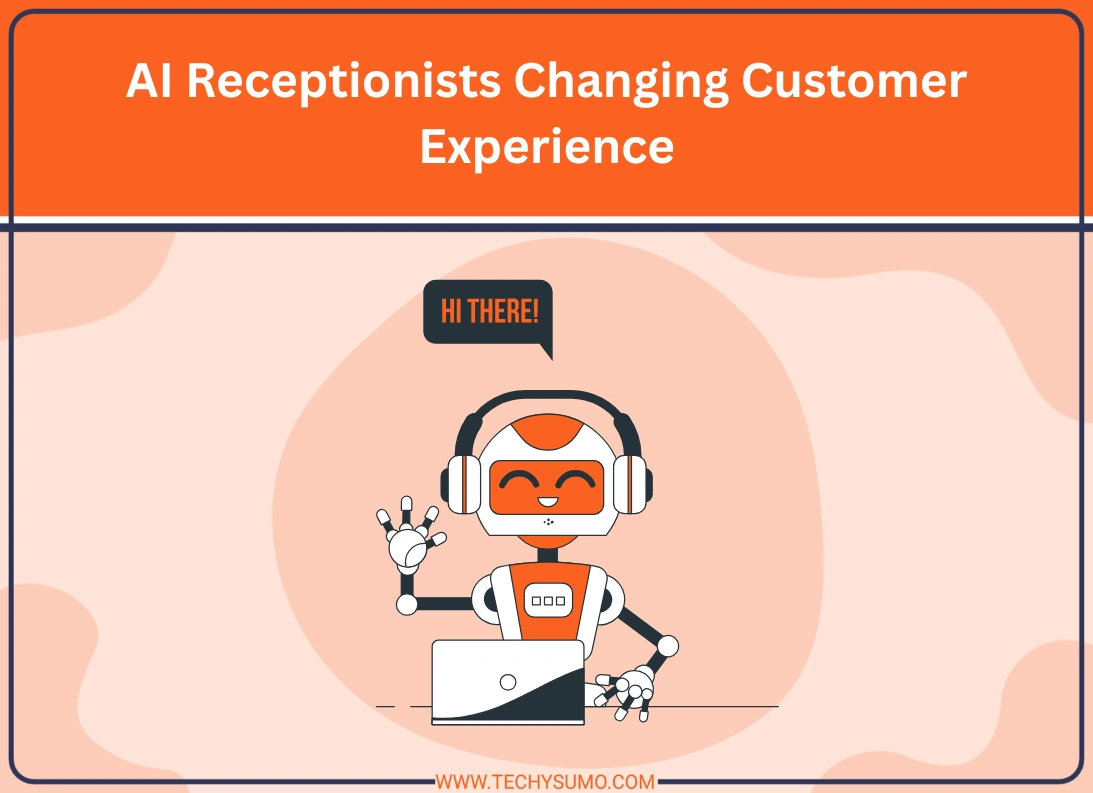
Reception desks are no longer limited to human staff and phone lines. AI Receptionist is becoming the first point of contact for many businesses, handling calls, chats, and appointment requests instantly. Instead of waiting in queues or voicemail systems, customers now interact with conversational systems that respond in real time.
These systems are designed to understand intent, not just keywords, which makes interactions smoother and more natural. For businesses, this shift means the front desk is no longer a physical bottleneck but a scalable digital entry point available 24/7.
How an AI Answering Service Actually Works

An AI Answering Service combines natural language processing, speech recognition, and workflow automation. When a customer asks a question, the system interprets the request, retrieves relevant business data, and responds within seconds. In many setups, they are integrated with calendars, CRM systems, and ticketing tools.
This allows them to book appointments, answer FAQs, or escalate complex issues to human agents. The goal is not to replace staff entirely but to filter and handle routine interactions efficiently so human teams can focus on higher-value conversations.
Real Customer Experience Improvements
One of the most visible changes is reduced waiting time. Customers no longer experience long hold queues or delayed email responses for simple queries. AI receptionists can handle multiple users simultaneously, ensuring consistent service regardless of traffic spikes.
Also Read

Another improvement is availability, customers can interact at any hour without service interruption. This is particularly useful for global businesses or service providers with urgent inquiries. The experience becomes more predictable, structured, and less dependent on staffing limitations.
Accuracy, Trust, and Human Oversight (EEAT)
From an EEAT perspective, Experience, Expertise, Authoritativeness, and Trustworthiness, the Virtual Receptionist must be carefully designed and supervised. Accuracy depends on the quality of training data and system integration with verified business information.
Many companies implement human-in-the-loop models, where AI handles initial queries but humans review sensitive or complex cases. This ensures that responses remain reliable and aligned with company policies. Trust is further strengthened when systems are transparent about limitations, such as clearly indicating when a query is escalated to a human agent.
Business Benefits Beyond Cost Cutting
While cost reduction is often highlighted, the real value of AI receptionists lies in consistency and scalability. Businesses can maintain uniform service quality without being constrained by staff availability or time zones.
They also gain structured data from customer interactions, which helps identify recurring issues and improve services. For small and medium enterprises, this levels the playing field by providing enterprise-grade customer support capabilities without heavy infrastructure investment. The result is a more responsive and data-driven customer service model.
Limitations and Responsible Deployment
Despite their advantages, AI receptionists are not flawless. They may struggle with ambiguous language, emotional nuance, or highly specific technical issues. Over-reliance without proper oversight can lead to customer frustration.
Responsible deployment requires continuous monitoring, regular updates, and clear fallback options to human agents. Businesses must also ensure data privacy and compliance, especially when handling personal or financial information.
When implemented thoughtfully, AI receptionists enhance rather than replace human interaction, creating a balanced and efficient customer experience ecosystem.