A cancer diagnosis can feel overwhelming, but modern medical technology has transformed how the disease is detected and treated. In a city like Delhi, where many patients rely on multispeciality hospitals for specialised care, access to advanced treatment methods has expanded significantly. The main challenge for individuals and families is understanding what these technologies do and how they fit into a personalised treatment plan. Clear information allows patients to ask better questions, explore suitable options and participate confidently in care decisions.
The following overview highlights key cancer treatment technologies commonly available in Delhi’s leading hospitals. It is intended for educational purposes and should not be used as a substitute for professional medical guidance.
Table of Contents
Understanding Cancer Treatment Options
Cancer treatment is rarely limited to a single method. Doctors often combine several approaches depending on the cancer’s type, stage and behaviour. A treatment plan may include one or more of the following:
- Surgery: Physical removal of the tumour, often used for localised cancers.
- Chemotherapy: Medicines that target fast-growing cancer cells.
- Radiation Therapy: High-energy beams, such as X-rays, are used to destroy cancer cells.
- Targeted Therapy: Drugs designed to act on specific molecules or mutations within cancer cells.
- Immunotherapy: Strengthens the body’s immune response to help identify and attack cancer cells.
- Hormone Therapy: Used for cancers that rely on hormones for growth, such as certain breast and prostate cancers.
Oncologists tailor these treatments to the patient’s medical needs to achieve the best possible outcome.
Advanced Technologies In Delhi Hospitals
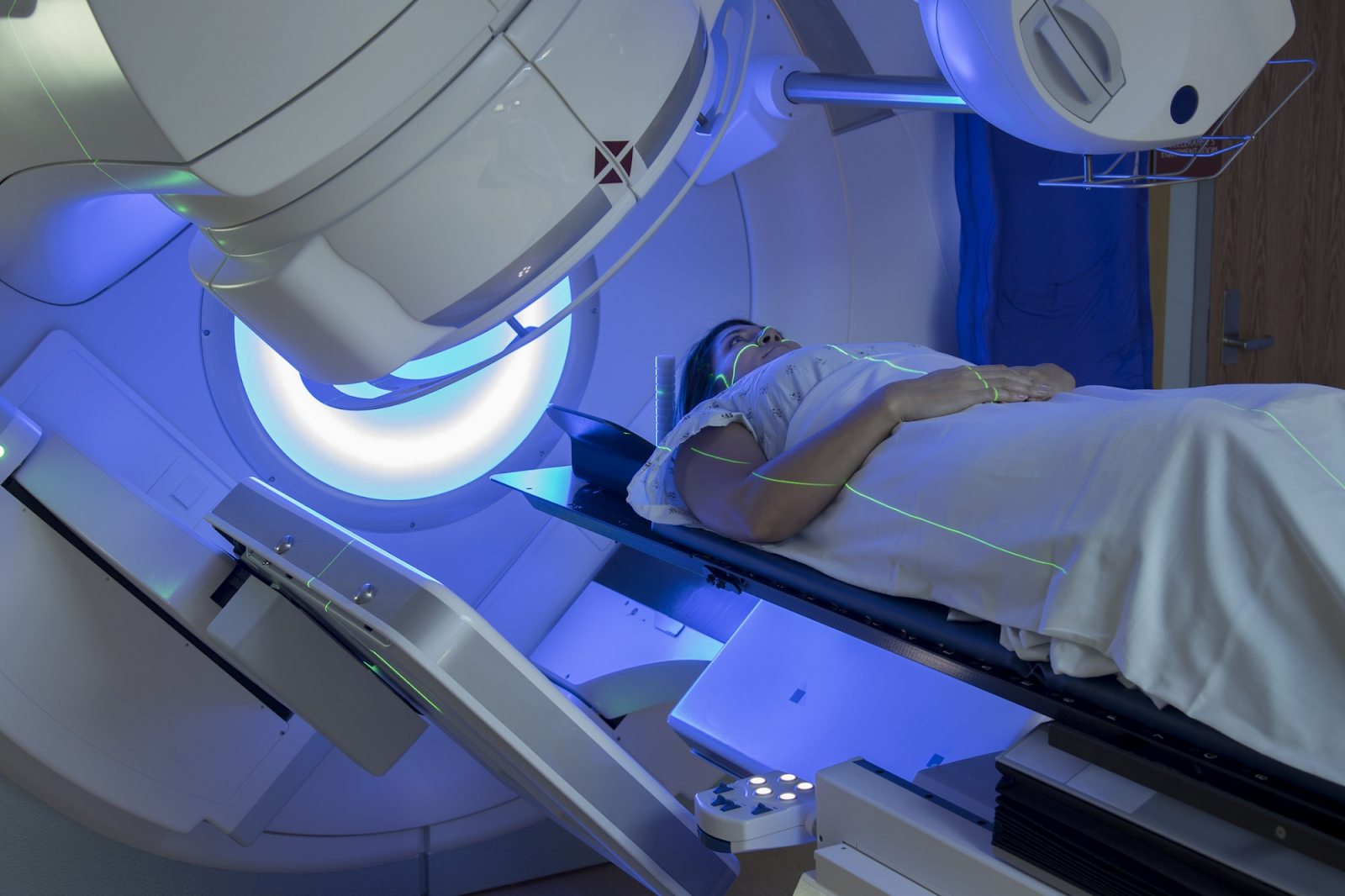
Delhi’s hospitals have invested in technologies that improve the accuracy of cancer diagnosis and treatment. Many multispecialty medical institutions, including Venkateshwar Hospital in Delhi, provide access to modern oncology tools and aresupported by experienced specialists. These technologies help doctors plan treatments more precisely and, where possible, improve patient comfort.
Also Read

CyberKnife System
The CyberKnife is a non-invasive form of stereotactic radiosurgery. It uses computer-guided robotic arms to deliver highly focused radiation beams to tumours in different parts of the body. Its precision helps protect nearby healthy tissue, making it useful for tumours that are difficult to reach surgically. As with any treatment, patients should discuss risks, suitability and expected outcomes with their oncologist.
PET-CT Scan
A PET-CT scan combines metabolic imaging (PET) with structural imaging (CT). This allows doctors to detect cancer activity, evaluate its stage, and monitor its response to treatment. PET-CT scans are extremely valuable for staging cancers accurately and planning further therapy.
MRI-Guided Radiation Therapy
MRI-guided systems combine real-time imaging with radiation delivery. Because MRI captures soft-tissue detail more clearly than CT, radiation beams can be adjusted during treatment to account for natural body movement. This approach is constructive when treating tumours in areas such as the abdomen or lungs.
Minimally Invasive And Robotic Surgery
Many cancer surgeries today are performed using minimally invasive methods like laparoscopy or robotic-assisted surgery. These techniques involve small incisions, which may result in less discomfort, reduced blood loss and shorter hospital stays. They are commonly used for cancers affecting organs such as the uterus, prostate and kidneys, depending on the clinical situation.
These advancements make Delhi a significant hub for modern oncology, offering access to technologies found in specialised centres worldwide.
Why Advanced Technology Matters In Cancer Care?
Technology plays a major role in how effectively cancer can be diagnosed and treated. Some key benefits include:
Better Treatment Precision
Modern equipment allows specialists to target cancer cells more accurately. Tools such as CyberKnife and MRI-guided systems are designed to deliver treatment directly to the tumour while reducing exposure to healthy tissues. This level of precision enhances treatment effectiveness for many patients, although results may vary based on individual medical factors.
Reduced Side Effects
Not all cancer treatments affect healthy tissue the same way. Approaches such as targeted therapy and immunotherapy often target cancer cells, which may reduce side effects compared to traditional chemotherapy. Understanding potential risks, benefits and alternatives is important, so patients should review all options with their oncology team.
Support For Early Detection
Early diagnosis significantly improves the chances of successful treatment. Imaging tools such as PET-CT scans can reveal abnormalities that may not appear on standard scans. Early detection also helps doctors plan less intensive, potentially more effective treatments.
Finding The Right Care In Delhi
Delhi’s healthcare system offers a wide range of advanced cancer treatment technologies, supported by multidisciplinary teams and modern facilities. Knowing what options exist helps patients ask informed questions and engage confidently in their care planning.
If you or a loved one has received a cancer diagnosis, consult a qualified oncology specialist who can explain which technologies and treatments are appropriate for your specific condition. Choosing a hospital with comprehensive oncology services, experienced specialists and modern diagnostic tools can make a meaningful difference throughout the treatment journey.
Always seek advice from a trained medical professional regarding symptoms, treatment options and health decisions.