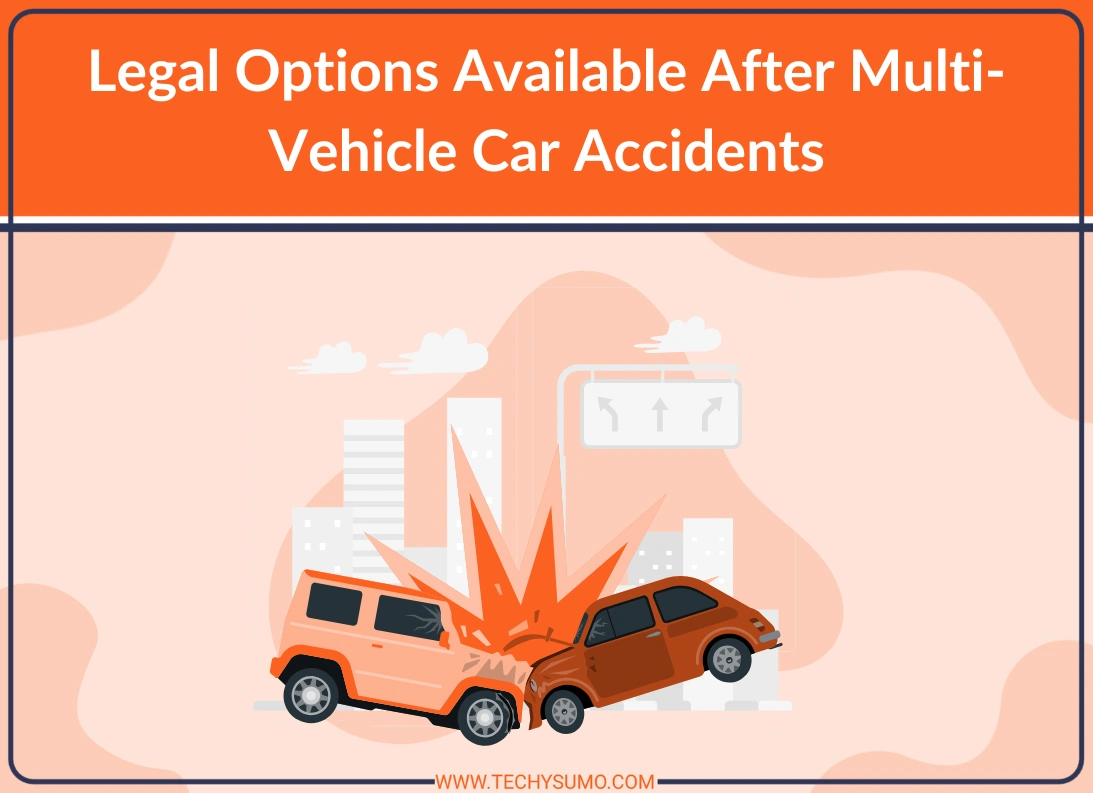
Multi-vehicle car accidents in Stamford represent some of the most complex and dangerous traffic incidents in the city, often resulting in serious injuries and significant property damage. According to the Connecticut Department of Transportation, Stamford experiences hundreds of multi-vehicle crashes annually, with Interstate 95 and the Merritt Parkway being particularly high-risk corridors for chain-reaction collisions. The National Highway Traffic Safety Administration reports that multi-vehicle crashes account for approximately 25% of all traffic fatalities nationwide, with these accidents often involving three or more vehicles and multiple liable parties.
In Connecticut, studies show that determining fault in multi-vehicle accidents can be especially challenging, as state law allows for comparative negligence, meaning multiple parties may share responsibility. The complexity of these cases, combined with the involvement of multiple insurance companies, makes legal representation crucial for victims seeking fair compensation.
Car accidents involving multiple vehicles are rarely straightforward, and when they do occur, the drivers caught in the wreckage often experience a state of panic. After such a tragedy, a lot of questions come to mind regarding rights and responsibilities. Knowledge of available legal options provides victims with the information necessary to make informed decisions. Consulting a Stamford car accident lawyer early often allows for a quicker recovery process, so it is helpful for all involved parties.
Table of Contents
Determining Fault in Multi-Vehicle Accidents
Multi-vehicle crashes are more complex than two-car accidents when it comes to determining who is legally at fault. Police reports, witness statements, and accident reconstructions can be essential in determining fault. It is crucial to have a thorough timeline, which can only be documented using reliable evidence. Legal statutes can find multiple drivers at fault in a given condition. The conduct of each party before and during the event is examined.
Types of Compensation Available
Anyone injured in a multi-car crash may be entitled to multiple types of compensation. Common claims include medical costs, lost wages, and property damage. A lot of settlements will also incorporate emotional distress and emotional pain. Documentation of the injuries suffered, repairs made, and income lost is frequently reviewed by courts. The aim is to revive the financial state as far as possible.
Also Read

Filing Insurance Claims
When an accident occurs, most individuals start by informing their insurance providers. Immediately notifying the authorities secures any legal rights and streamlines the claims process. Insurers usually conduct interviews with the drivers and witnesses and check police records. If both parties are cooperative during this phase, it can help result in a quicker resolution. In some cases, the amount paid received is limited by policy limits.
Handling Multiple Insurance Policies
If there is more than one car involved, more than one insurance policy may apply. Every company might want to shift the blame onto others to minimize payments. According to the Insurance Information Institute, understanding how multiple insurance policies interact in multi-vehicle accidents is critical for securing adequate compensation, as each insurer may attempt to limit its liability. At times, there can be multiple adjusters assigned to victims. Being familiar with the terms of each policy is also crucial so that no avenue of recovery is lost. Different contracts will have different obligations and entitlements, and legal advice can help clarify these.
Seeking Legal Representation
When several different parties and insurers are in the mix, having a lawyer spearhead the process is essential. Experts guide victims on their legal rights and duties. They practice negotiating against insurance companies to obtain fair compensation. Should negotiations stall, the court may require representation. For a lot of people, having experienced companions makes them feel more relaxed.
Settlements Versus Court Proceedings
However, the majority of multi-vehicle accident claims are settled outside of the trial process. Settlements result in a shorter amount of time and fewer headaches. However, parties may take the matter to court if they cannot reach an agreement. Fault and compensation can then be determined by judges or juries based on evidence presented. Each option comes with its own threats and rewards, as appropriate for the context.
Statutes of Limitations
Every type of lawsuit—including those arising from car accidents—has a statute of limitations, which is a time limit that must be adhered to for such action to be brought to court. However, if victims arrive late, they lose the opportunity to receive any compensation. Typically, the timer starts on the date of the incident. This is to check whether the applicable time frame for the right to sue is being followed. Seek professional advice early on to prevent expensive mistakes.
Special Considerations for Passengers
For passengers, it can be a bit easier to show that they had nothing to do with what happened. If fault is found on the part of any driver, they can typically pursue compensation from that driver. Even so, cases involving multiple negligent parties can prove difficult. Legal representatives assist passengers in uncovering all potential avenues for recovery. It is right for us to protect our rights to fair treatment at all times.
Conclusion
When it comes to a multi-vehicle car accident, knowing your options when things happen can be a game-changer for you or your loved ones. Collecting evidence, being referred to, and getting quick advice are the things that help victims get on their feet. Though it may seem like an all-consuming process, the right steps tackled in succession with solid support will help return life to its scheduled programming once again.