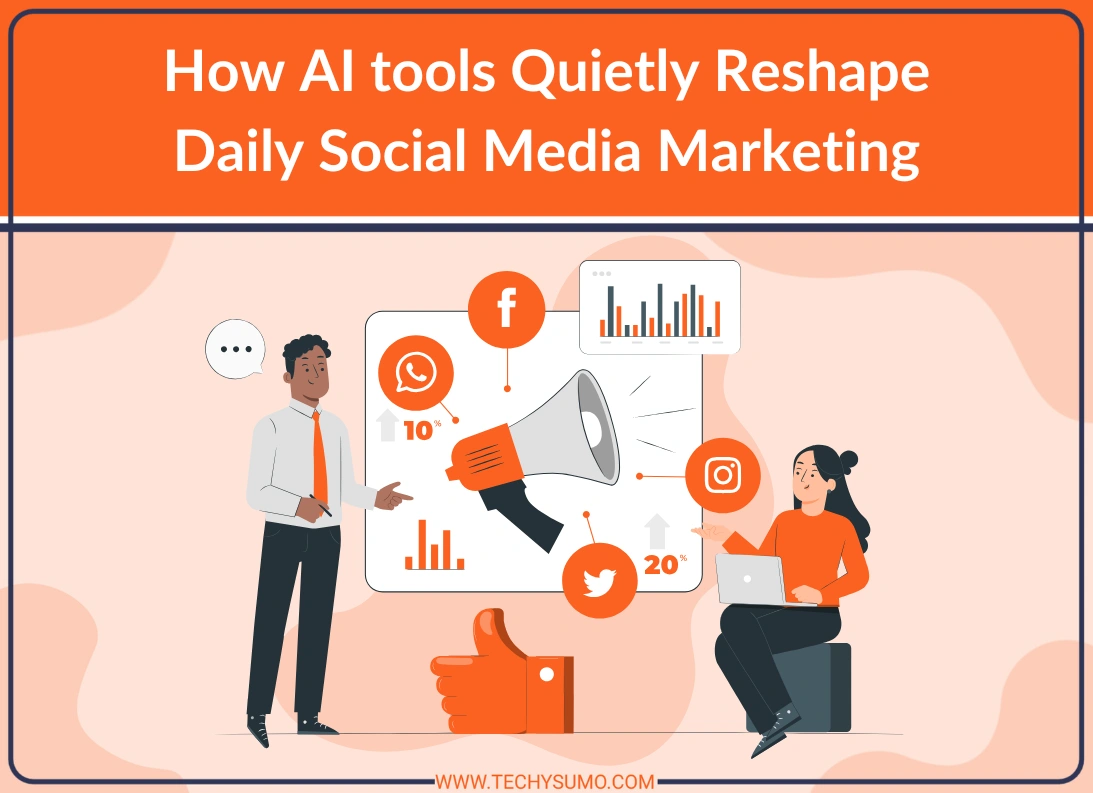
In modern feeds, social media work no longer looks like pure intuition and late night guesswork. AI tools moved from loud headlines into quiet routines, where content planning, comment sorting, and reporting happen with less friction and more context. The shift is subtle. No sci-fi glow, just fewer manual clicks and a clearer sense of what actually works.
Between sincere posts appear betting banners, trend bait, and promo for formats like sicbo online live, all chasing fast attention. On the other side sit AI powered assistants that reward a slower approach: reading patterns, predicting responses, and filtering noise. When used properly, these tools help brands sound more human, not more robotic.
Table of Contents
From hype feature to invisible colleague
Most changes happen in background layers. AI suggests captions, crops images, generates content variations, and proposes optimal posting windows based on real behavior instead of superstition. Teams that once guessed now test. Drafts that once took hours now start from structured prompts, then receive human editing for tone and accuracy.
AI also reads comments at a scale that used to be impossible. Sentiment flags, recurring complaints, and unexpected praise surface in dashboards, allowing faster fixes and smarter campaigns. Instead of scrolling through thousands of replies, managers focus on insights and adjust strategy.
Where AI quietly saves hours
- content ideation boards that turn briefs into usable outlines in seconds
- smart scheduling tools that learn audience rhythms per platform
- automatic resizing and formatting for reels, stories, shorts and posts
- caption and hook suggestions tuned to past performance data
- basic translations that make one idea travel across regions
These functions rarely appear in case studies, yet they remove repetitive work. Human attention then shifts to storytelling, partnerships, and strategy, where nuance still matters.
Also Read

Personalization without drama
Algorithmic feeds already personalize what audiences see. AI marketing tools now respond by adjusting what brands send. Instead of one generic message for everyone, content evolves by segment: returning customers, new visitors, silent observers, fast responders. Templates adapt, visuals change, offers shift.
The crucial difference lies in restraint. Responsible teams use AI to understand preferences, not to stalk individuals. Aggregated patterns guide tone and timing. For example, if quiet educational posts consistently outperform loud sales content, AI surfaces that pattern and planning adjusts. The voice becomes calmer, less desperate, more aligned with what audiences actually choose.
Privacy questions remain important. Ethical setups work with consent, compliant tools, and minimal intrusive tracking. Good practice treats data as a shared responsibility, not free fuel.
Faster testing without casino logic
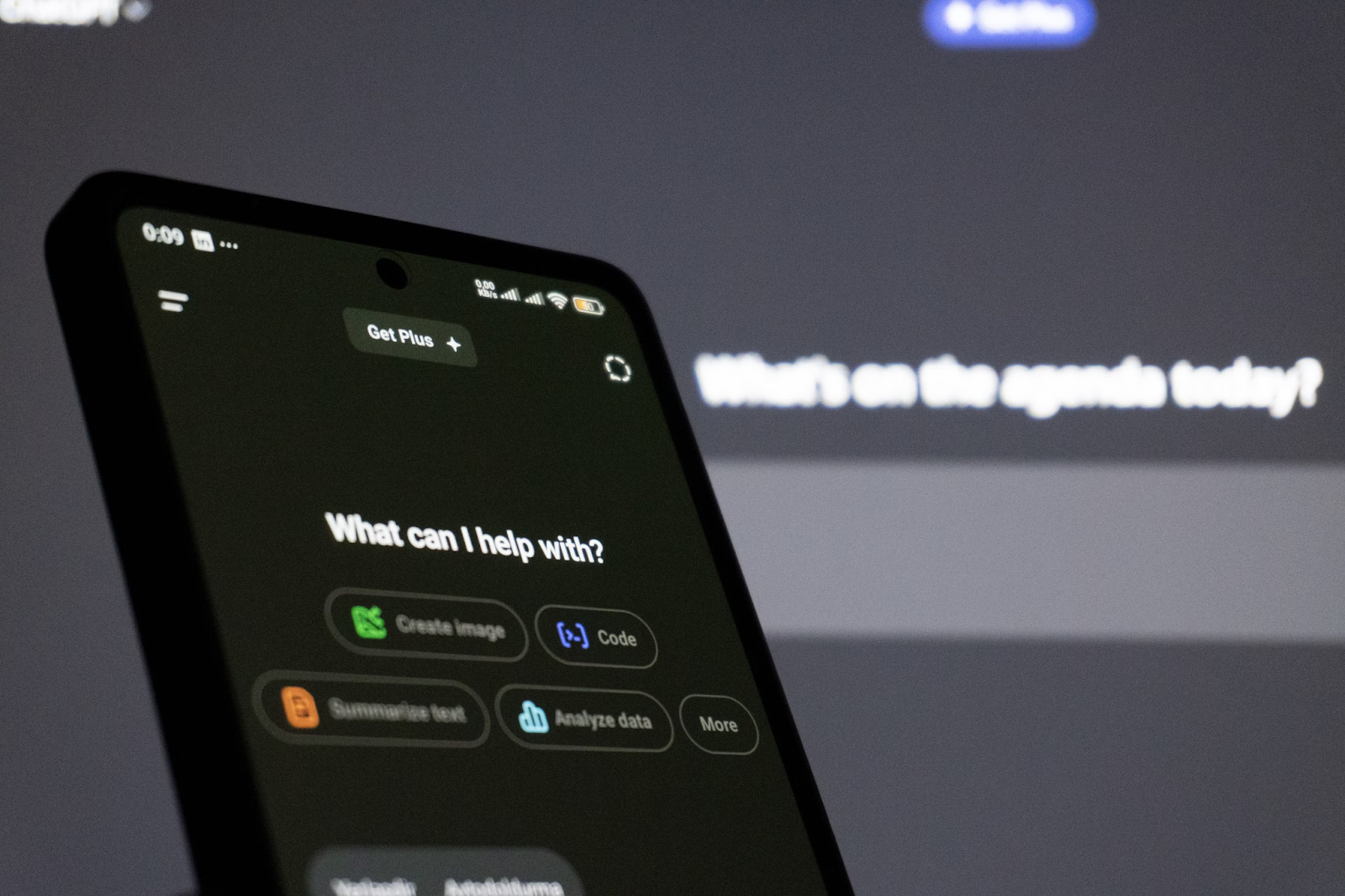
Before practical AI, many campaigns were large, slow bets. Now experimentation runs in small loops. Dozens of variants can be generated and tested in controlled ways: different intros, thumbnails, CTAs, content lengths. Results arrive quickly and feed the next iteration.
This is not gambling. The difference is structure. Tests follow hypotheses, budgets stay limited, and decisions rest on data, not superstition. AI shortens the distance between idea and evidence, which reduces reliance on guesswork or HiPPO opinions.
Ground rules that keep AI useful and human
- keep humans in charge of ethics, humor, and sensitive topics
- verify facts and sources instead of trusting generated claims
- lock brand voice guidelines and let AI work inside that frame
- measure success on quality engagement, not only raw volume
- review models and automations regularly for bias and drift
Following these rules prevents a slide into generic, soulless output. AI becomes an amplifier for clear thinking, not a replacement.
Small teams, stronger presence
For freelancers, local shops, NGOs and niche projects, AI tools lower the barrier to professional looking social media. A single person can maintain a weekly calendar, repurpose content, answer basic FAQs with assisted replies, and export clean reports for clients or stakeholders.
Templates, style presets, and automation reduce stress during busy periods. Instead of disappearing for weeks, smaller actors maintain steady, thoughtful communication. This consistency builds more credibility than rare, overproduced posts.
Risks of over-automation
The quiet power of AI also hides a trap: over-reliance. When every reply, story and caption comes straight from a model with no editing, feeds start to sound identical. Followers notice patterns. Authenticity thins out.
Good operators draw a line. AI may draft, suggest, cluster, and predict. Humans decide what aligns with values, what feels honest, what deserves silence. That selective approach keeps channels recognizable and trustworthy.
The real shift
AI in social media marketing no longer lives only in keynote slides. It now lives in small choices: one better headline, one less manual report, one faster reply to a real complaint, one smarter decision to skip empty trends.
Used quietly, these tools do not turn marketing into a machine. They remove clutter so that strategy, empathy, and clear messaging can take the front seat. The future here looks less like robots stealing jobs and more like assistants cleaning the desk, while humans finally do the part of the work that only humans can do.