I first heard the phrase rumah perjaka during a conversation about independence and personal freedom. Someone described it as having a place of your own where you can live exactly the way you want. While the term is often translated as “bachelor’s house,” it represents much more than simply being unmarried.
Today, rumah perjaka has become a symbol of modern living. It represents independence, personal space, and a home designed to match an individual’s lifestyle and goals. In a world where careers, work styles, and lifestyles are changing quickly, this idea is becoming more popular among professionals and entrepreneurs.
Table of Contents
- What Does Rumah Perjaka Mean?
- Why the Concept Is Popular Today
- Design Style of Rumah Perjaka
- Changing Ideas About Independence
- A Home That Supports Productivity
- Rumah Perjaka vs Traditional Homes
- Emotional Benefits of Living Alone
- Sustainability and Minimal Living
- Misunderstandings About Rumah Perjaka
- The Future of Independent Living Spaces
- Conclusion
What Does Rumah Perjaka Mean?
Traditionally, rumah perjaka referred to a home where an unmarried man lives. However, the meaning has expanded over time. Now, the concept is less about gender or relationship status and more about independent living.
A rumah perjaka is usually a home designed for one person. It is often smaller, practical, and carefully organized to support daily life. The goal is to create a comfortable place where someone can focus on work, relaxation, and personal development.
In many cities today, housing prices are high and space is limited. Because of this, people are choosing smaller homes that are designed more efficiently. The idea of rumah perjaka fits perfectly with this modern lifestyle.
Also Read


Why the Concept Is Popular Today
The way people work and live has changed a lot in recent years. Many professionals now work remotely or manage their own businesses. Because of this, they prefer homes that are flexible and easy to maintain.
A rumah perjaka focuses on simple and efficient living. Instead of having large houses with many unused rooms, these homes use smart layouts and multifunctional furniture to make the most of the available space.
There is also a financial advantage. Living in a smaller and well-planned home can reduce expenses such as rent, electricity, and maintenance. The money saved can then be used for travel, business projects, education, or personal interests.
Design Style of Rumah Perjaka
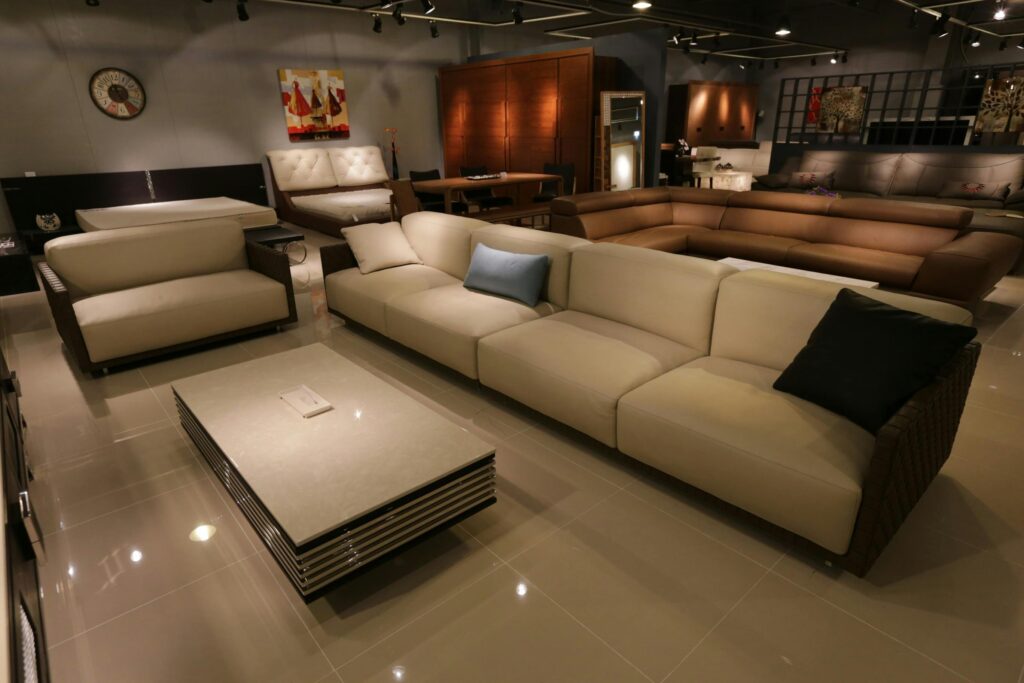
Design is an important part of the rumah perjaka concept. These homes often follow a modern and minimal style. Clean layouts, neutral colors, and simple decorations help create a calm and organized atmosphere.
Natural light is also important. Bright spaces can improve mood and help people stay focused, especially for those who work from home.
Technology is commonly used as well. Smart lighting, compact desks, and organized storage systems make the space more efficient. For digital workers and entrepreneurs, the home often becomes both a living space and a workspace.
Changing Ideas About Independence
In the past, society often connected success with traditional life milestones such as marriage and raising a family. Today, many people see independence differently.
Living alone in a home that fits personal needs is now viewed as a positive choice. It allows individuals to explore their goals, focus on their careers, and build a lifestyle that suits them.
This trend is especially common in cities where young professionals prefer to focus on career growth and personal development before settling into more traditional lifestyles.
A Home That Supports Productivity
A rumah perjaka can also improve productivity. When someone lives alone, they have full control over their environment. They can organize their home exactly the way they want.
Lighting, temperature, furniture placement, and noise levels can all be adjusted to create a comfortable working environment. This kind of control helps many people concentrate better and develop strong routines.
For entrepreneurs and freelancers, a well-designed home can make daily work more efficient and enjoyable.
Rumah Perjaka vs Traditional Homes
The difference between rumah perjaka and traditional family homes is mainly about purpose.
| Feature | Rumah Perjaka | Traditional Family Home |
|---|---|---|
| Purpose | Individual independence | Living space for families |
| Space Use | Compact and flexible | Larger and divided rooms |
| Design Style | Simple and modern | Traditional layouts |
| Costs | Lower maintenance | Higher expenses |
| Lifestyle | Single professionals | Families or multiple residents |
This shows that rumah perjaka is not meant to replace family homes. Instead, it offers a practical option for people at a different stage of life.
Emotional Benefits of Living Alone

Living alone can also have emotional advantages. It encourages people to become more independent and confident. A rumah perjaka becomes a personal space where someone can express their personality and lifestyle.
Over time, this independence can help people better understand themselves and their goals.
Of course, living alone does not mean being isolated. Many people still invite friends or colleagues to their homes. The difference is that social activities happen by choice rather than obligation.
Sustainability and Minimal Living
Another benefit of the rumah perjaka lifestyle is sustainability. Smaller homes naturally use fewer resources such as electricity, water, and materials.
Many people who live this way also adopt minimalism. Instead of buying many unnecessary items, they choose fewer but better-quality possessions.
Energy-efficient appliances and smart home systems can also reduce waste and help people live more responsibly.
Misunderstandings About Rumah Perjaka
Some people believe that living alone is only a temporary stage before settling down with a family. Others think it may lead to loneliness.
However, these ideas are changing. For many individuals, choosing a rumah perjaka is a deliberate lifestyle decision. It allows them to focus on personal goals while still maintaining strong social relationships.
The success of this lifestyle depends on how the space is designed and how the individual uses it.
The Future of Independent Living Spaces
As cities continue to grow and work becomes more flexible, housing trends are also changing. Many developers are now designing homes that combine private living spaces with shared community areas.
This type of housing offers the independence of a rumah perjaka while still providing opportunities for social interaction.
These trends may shape the future of urban living and create new opportunities in real estate, design, and smart home technology.
Conclusion
Rumah perjaka is more than just a house for someone living alone. It represents a modern lifestyle focused on independence, efficiency, and personal growth.
For professionals, entrepreneurs, and creatives, this type of home offers a space that supports productivity and freedom. It reflects changing ideas about success and shows how living spaces can adapt to modern needs.
As lifestyles continue to evolve, the concept of rumah perjaka will likely become even more relevant, offering a flexible and thoughtful approach to modern living.