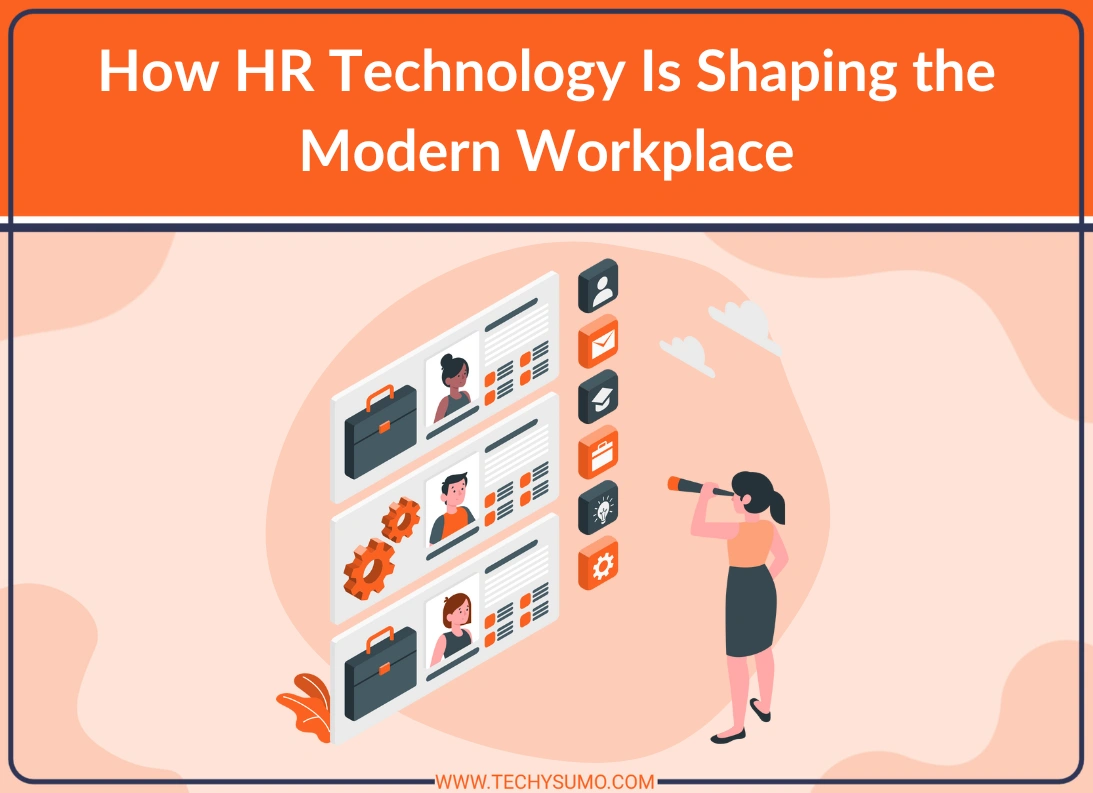
Advancements in HR technology are fundamentally reshaping how organizations attract, engage, and retain talent. In a landscape where competition for top candidates is fierce, digital solutions like Greenhouse Recruiting have become essential for businesses looking to streamline processes and improve hiring outcomes. These innovative platforms leverage intelligent automation and data-driven tools to modernize every aspect of human resources management, making HR departments more strategic and resilient.
As the workforce becomes more dispersed and diverse, it’s increasingly critical for organizations to implement digital systems that foster productivity and employee well-being. The integration of HR technology extends well beyond recruitment, touching everything from employee engagement to workforce analytics. In this evolving environment, organizations that adopt effective HR technologies can better support their teams, drive performance, and secure long-term success.
With the acceleration of remote work and the growing need for flexibility, modern HR tools now offer features that facilitate asynchronous communication, real-time feedback, and continuous learning opportunities. These attributes are crucial in building agile organizations that can adapt to changes in both the marketplace and employee expectations.
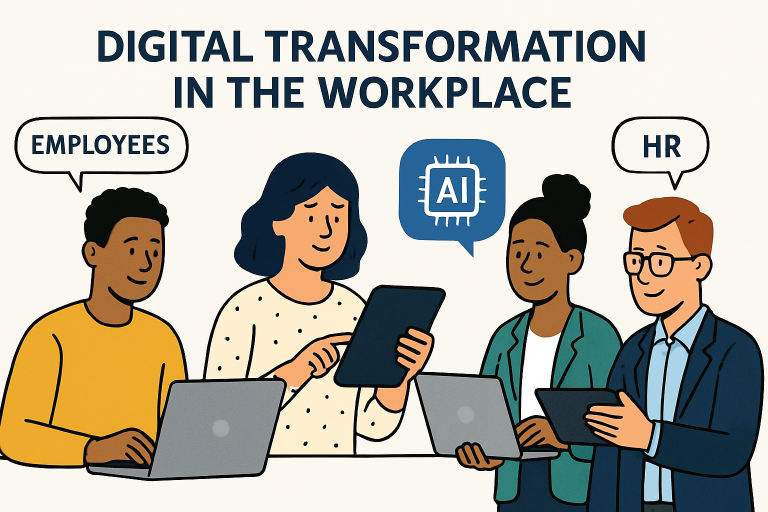
Moreover, the rise of artificial intelligence (AI), predictive analytics, and comprehensive experience platforms means HR professionals now have unprecedented insights into team dynamics and organizational needs. This new era of HR is data-driven, employee-centered, and focused on achieving meaningful outcomes for both the workforce and the business itself.
Table of Contents
AI in Recruitment
Artificial intelligence is radically changing recruitment by automating repetitive tasks and improving decision-making. AI-powered tools can sift through thousands of resumes, flagging top candidates based on sophisticated criteria and reducing unconscious bias. Virtual assistants and chatbots conduct preliminary interviews, answer candidate questions, and keep potential hires engaged throughout the process. This automation not only shortens the time-to-fill open positions but also empowers HR teams to spend more time on relationship-building and strategic planning. According to Forbes, organizations that leverage AI for recruiting see improved efficiency and higher-quality hires.
Also Read

Employee Experience Platforms
Modern HR technology focuses on empowering employees through comprehensive experience platforms. These platforms bring performance management, feedback channels, learning modules, and recognition programs into one seamless environment. By making resources and development opportunities more accessible, organizations can foster a culture of feedback, growth, and inclusion. Enhanced communication tools and personalized career paths help employees feel valued and supported, which is essential for engagement and retention. Research published by Harvard Business Review underscores the role of employee experience platforms in creating positive workplace cultures that drive innovation and productivity.
Remote Work Technologies
The surging adoption of remote and hybrid work has led to an explosion in technologies designed to maintain seamless collaboration and productivity outside traditional offices. Video conferencing software, integrated messaging solutions, project management platforms, and secure cloud-based file sharing are now indispensable. These tools foster transparency, streamline communication, and enable teams to function at a high level regardless of geographical boundaries. Beyond productivity, remote work technologies also support work-life balance and inclusivity by allowing employees to tailor their schedules to personal and family needs, a trend widely discussed and validated by Forbes.
Data Analytics in HR
Data analytics tools have empowered HR departments with actionable insights that shape everything from hiring to retention and succession planning. By leveraging predictive analytics, organizations can spot workforce trends, identify potential turnover risks, and design training programs that align with future needs. These insights help anticipate skills gaps and inform strategic talent management. Enhanced reporting capabilities also improve compliance and diversity efforts by making it easier to track and act on key workforce metrics.
Challenges and Considerations
While HR technology offers myriad benefits, its adoption is not without obstacles. The increasing reliance on digital platforms raises concerns around data privacy and security, especially when handling sensitive employee information. Furthermore, AI-driven systems must be carefully monitored to avoid perpetuating biases inherent in historical data. As digital transformation accelerates, organizations must also invest in upskilling HR professionals and employees alike to harness technology responsibly and ethically. Implementing clear guidelines, transparent policies, and regular impact audits are crucial steps for sustainable success.
Future Trends in HR Technology
Looking ahead, HR technology will continue to innovate rapidly. Artificial intelligence is expected to expand into more nuanced areas such as performance appraisals, personalized learning experiences, and holistic wellness programs. Virtual and augmented reality tools are poised to revolutionize employee onboarding and training by simulating real-world scenarios in immersive environments. Additionally, as the importance of employee well-being grows, advanced solutions focused on mental health, resilience, and individualized support will become standard features across HR platforms.
By investing in next-generation HR technology, organizations can cultivate adaptive, engaged, and high-performing teams prepared to meet the demands of a dynamic global marketplace.