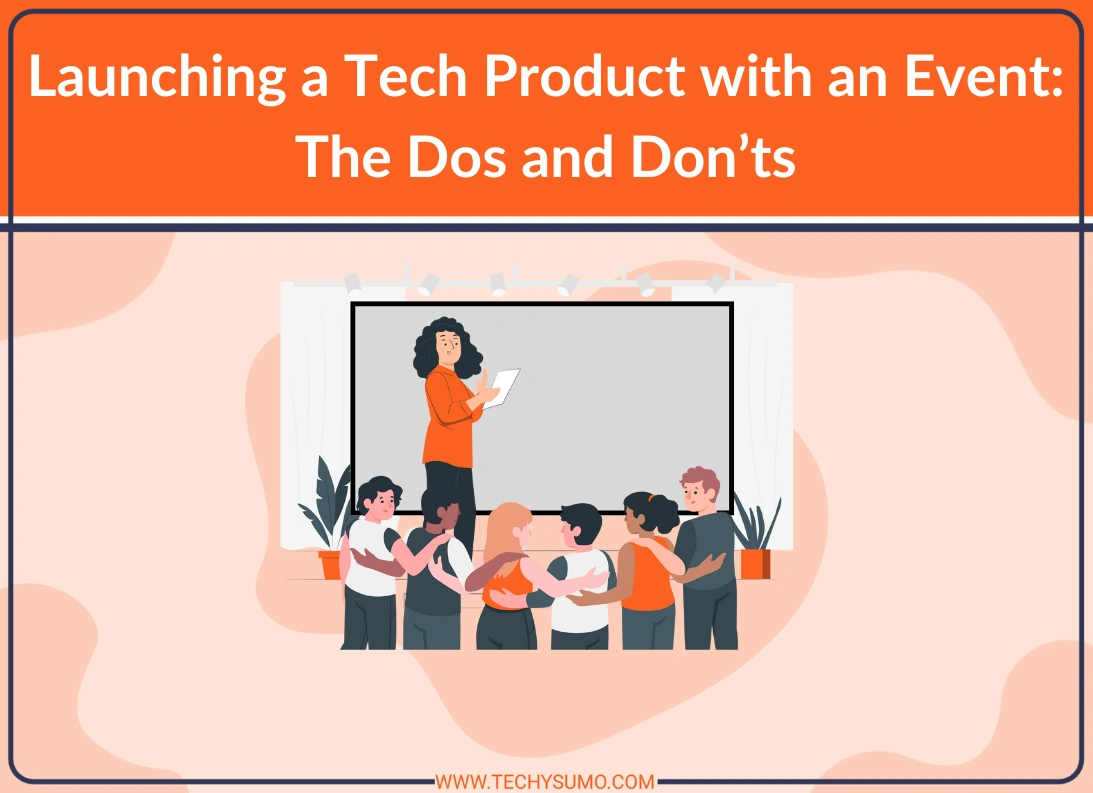
Finally having a tech product that you are ready to show to the world is an incredibly exciting feeling. How exactly you show it to the world matters, though, and there are ways to get it right and wrong.
Hosting a tech launch event is an excellent idea, as it gives you and your team the opportunity to show the product in the best possible light to the right kind of people. You want people to leave the event excited about investing or using the product, and to do that, these are the dos and don’ts.
Table of Contents
Do: Set Crystal-Clear Goals
What do you want to achieve from the event? Don’t just plan blindly; instead, think about the specifics of what you want to achieve. Do you want people to sign up for a newsletter so that they receive ongoing updates about the product? Perhaps you want to gather specific feedback from guests. You might even want to make it to press or make your very first sales. Knowing your goals will help you design an event that is structured towards them.
Do: Pick the Perfect Venue
To launch the tech product, you want to make sure you’re showcasing it in the best possible light. As such, the venue and event details matter. You want enough space in the corporate event venue to host the number of people you plan on inviting. At the same time, think about layout and space. Do you need a stage for a presentation? What about a bar? The type of venue you pick will depend on your product launch event goals.
Do: Tailor the Event to Your Specific Audience
There will be a lot of decisions you need to make regarding the event, from venue choice to music to food. You need to make these decisions based on your target audience. What age group are they in, for example? A group of people in their 20s will likely have different preferences compared to people in their 50s and above.
Also Read

Do: Focus on the Guest List
Who you invite matters just as much as every other decision you make. After all, if you are launching a tech product that is aimed at twenty-somethings, only having older adults in attendance won’t do you much good. So, create a guest list that makes sense for your tech launch! You might want to include influencers on the guest list, especially those who will post about your tech product. You may also want to invite investors who are likely to be interested in investing in your product.
Don’t: Only Plan a Talk
One of the most common mistakes tech launch planners make is only planning a talk for the event and expecting that to create enough of a buzz and keep the party going. However, that isn’t always enough! A single lecture explaining the tech product might pique some people’s interest, but to truly get everyone on board, you want the event to be more interactive. So, perhaps create a station where people can try out the product themselves (and leave a feedback box). You could also host a Q&A session to get people involved in the lecture.
Don’t: Hype it Up Too Much
There is a thing as too much hype. While you want people to be excited about your tech product, you don’t want to then later leave a bad impression by not delivering! It’s best to be honest about the product from the get-go. Instead of framing it as a solution to multiple problems, focus specifically on what the product can do well and the single problem it solves.
Don’t: Forget to Test the Tech First
People can change their minds about something in a moment. Guests might be genuinely interested one minute, and the next, have no desire to buy or invest in the product, all because of one error, such as a glitch or poor WiFi signals disrupting the event. So, make sure you test all the tech beforehand to ensure the event runs as smoothly as possible!
Don’t: Forget to Follow Up
Do not assume that the event itself is enough to get people talking about the product for days and weeks afterwards. People’s attention is easily directed elsewhere! What you need to do is remember to follow up after the tech launch event. Think of the event as the very start of the conversation; the time when you introduce the product. From there, keep the conversation going by having a structured marketing plan that reaches out to interested attendees.