Reconnecting with people from school years past has become far more achievable than it once was. What used to rely on chance encounters, old address books, or word of mouth is now supported by sophisticated digital systems designed to preserve memories and rebuild connections. Behind every successful reunion is a layered combination of data, search technology, and intelligent systems working together to help people find familiar names and faces from earlier chapters of life.
Understanding how this technology works offers insight into why online platforms have become such a powerful tool for rediscovering old school friends.
Table of Contents
Digitizing Yearbooks and Historical Records
One of the most important foundations of online reconnection is the digitization of school records, particularly yearbooks. Yearbooks capture names, photographs, activities, and moments tied to specific schools and years, making them invaluable reference points.
Classmates.com high school yearbooks transform physical yearbooks into searchable digital archives. This process involves scanning printed pages at high resolution and converting them into digital files. Optical Character Recognition technology is then used to identify and index text, allowing names, captions, and even locations to be searched rather than manually browsed.
Each yearbook is carefully organized using metadata such as school name, location, and graduation year. This structure ensures that users searching decades later can still navigate large collections efficiently and accurately.
Also Read

Search Engines Built for People, Not Pages
Unlike standard web searches, people-finding platforms use search systems designed specifically for personal records. These systems must handle variations in names, spelling changes, and incomplete information.
Advanced matching algorithms help bridge these gaps by using flexible logic. A search does not require perfect accuracy to return relevant results. Instead, systems account for nicknames, initials, maiden names, and common spelling differences. Filters such as school, year, or region help narrow results further, increasing the likelihood of meaningful matches.
This specialized approach allows users to locate classmates even when memories are partial or details have faded over time.
Linking Data Through Shared Attributes
A key part of reconnecting technology is linking individuals through shared attributes. When users provide details such as school attended or graduation year, systems can group profiles with similar information.
These connections form structured networks based on shared experiences rather than direct contact. Over time, as more people join and update their profiles, these networks become richer and more accurate. This makes it easier for platforms to suggest potential matches or highlight classmates who attended the same school during overlapping years.
Rather than isolated searches, users benefit from an interconnected system that grows stronger with participation.
Machine Learning Improving Accuracy Over Time
Machine learning plays an increasing role in refining how people are matched and recommended. By analyzing patterns in searches and connections, systems learn which results are most useful and relevant.
For example, if many users searching for a particular school and year consistently click on certain profiles, the system learns to prioritize similar results for future searches. Over time, this improves efficiency and accuracy, reducing frustration and helping users find the right connections more quickly.
Machine learning also supports personalization, adapting suggestions based on how users interact with the platform.
Cloud Infrastructure and Accessibility
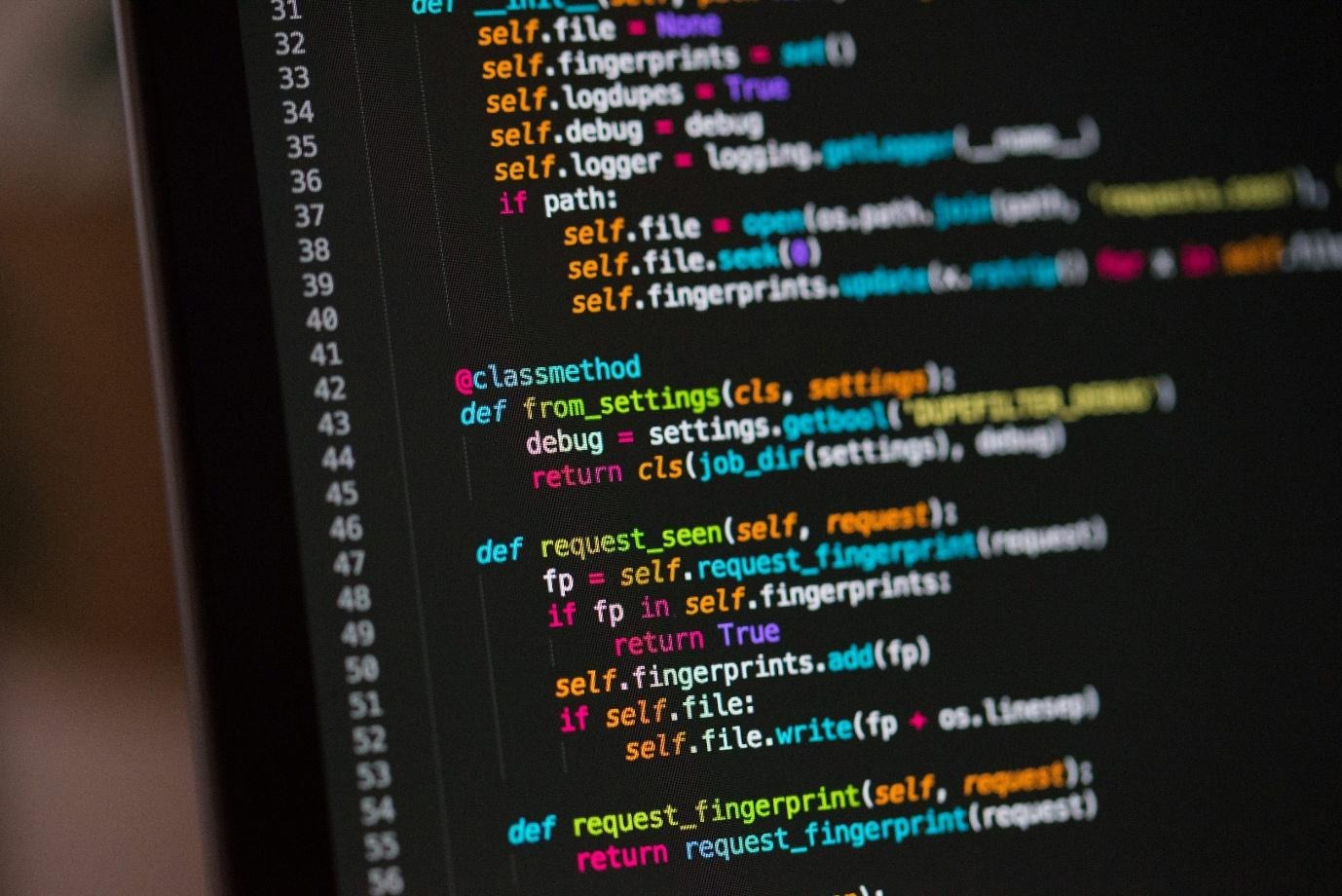
Behind the scenes, cloud-based infrastructure supports the scale and reliability of these platforms. Storing millions of scanned yearbook pages and user profiles requires systems that can handle large volumes of data securely and efficiently.
Cloud technology allows platforms to scale as more users join, ensuring fast load times and reliable access. It also enables real-time updates, meaning new profiles, messages, or connections are reflected instantly across devices.
Mobile-friendly design further enhances accessibility, allowing users to search, browse, and reconnect wherever they are.
Privacy, Security, and User Control
Finding old school friends involves personal information, so security is a critical component of the technology. Platforms employ encryption to protect data and provide privacy settings that let users decide what information is visible.
Account controls allow individuals to manage contact preferences, profile visibility, and communication options. These safeguards ensure that reconnection happens in a way that feels safe and respectful.
Trust in these systems is essential, especially when revisiting personal history.
Bringing It All Together
As technology continues to advance, the tools supporting reconnection will become even more intuitive and accurate. Improved data recognition, smarter recommendations, and richer archives will further reduce the distance between who people were and who they are today.
Exploring the technology behind finding old school friends reveals how thoughtful design and innovation can preserve history while fostering belonging. What begins as a search often becomes something deeper: a reminder that shared moments still matter, no matter how much time has passed.