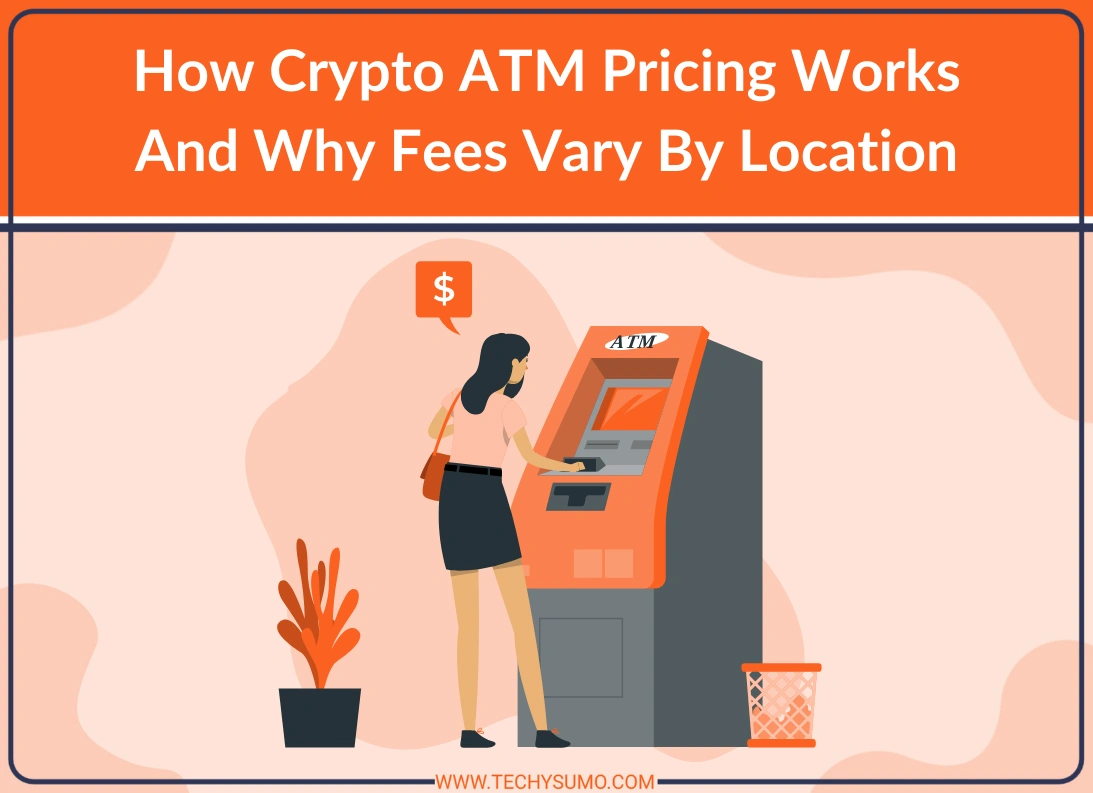
Crypto ATMs are convenient—but what’s the deal with the fees?
It always starts the same way.
You’ve got cash in your wallet, a plan in your head, and a glowing crypto ATM in front of you. The screen says you’re about to buy Bitcoin. Awesome. You’re ready.
Then you squint at the price.
Wait… wasn’t Bitcoin, like, $800 cheaper this morning?
Table of Contents
Also Read

You glance around—did this machine mark it up? Is there a secret crypto tax no one told you about? Is this just… how these things work?
Spoiler: yes. But it’s not what you think.
Let’s unpack why crypto ATM pricing feels different, why fees vary wildly depending on where you’re standing, and what you’re actually paying for when you walk away with Bitcoin in your digital wallet.
Crypto ATMs Ain’t Charity Kiosks
Let’s be honest—if you’re using a crypto ATM, you’re doing it for one of two reasons:
- You want speed
- You want to use cash
You’re not here to comparison-shop fees like you’re booking flights. You’re here because you want crypto now, not after two days of bank delays and verification emails.
And that convenience? It costs something.
Crypto ATM pricing includes:
- The market rate of Bitcoin (or whatever crypto you’re buying)
- A transaction fee
- A spread (that sneaky margin between the real price and what you’re quoted)
It’s not a scam. It’s how the machine—and the infrastructure behind it—keeps the lights on.
Why You’ll Pay More Than Your Phone Says You Should
Pull out your phone. Open your crypto app. Compare the price.
Yeah. It’s cheaper there.
But your phone isn’t standing on the sidewalk, inside a 24/7 bodega, accepting wrinkled twenties from strangers who just want to buy crypto without opening an exchange account.
Here’s what that crypto ATM fee is covering:
– Instant Settlement
Buy it. Own it. Walk away. No “pending” status. No wire transfers. No waiting for five business days.
– Physical Infrastructure
You’re using a real machine. It has rent. Maintenance. Security. Software updates. Cash pickup services. This isn’t thin-air fintech—it’s hardware that lives in the real world.
– Compliance Stuff
Ever heard of KYC or AML? The people running these machines have. Identity verification, fraud protection, and regulatory hoops? Not free.
– Risk Mitigation
Handling physical cash is messy. Risky. And expensive to protect. Every transaction has a built-in layer of insurance—figuratively and sometimes literally.
Location, Location… Fee Variation?
You might use one crypto ATM and pay a 6% fee. Go five blocks over and it’s 12%. What gives?
Turns out, where you are affects how much you pay. Here’s why.
– Urban vs. Rural
High-traffic locations (think big cities, popular retail areas) might offer lower fees because volume covers the cost. But that lonely machine in a rural town? Fewer users = higher per-transaction costs.
– Local Laws, Local Costs
Different states = different rules. Licensing, compliance requirements, and taxes vary. And yes, those extra costs trickle down to you.
– Rent’s Not Cheap
A kiosk in a gas station off Route 66 is probably cheaper to operate than one inside a Manhattan pharmacy. Just saying.
– Fraud Risk
Certain areas have higher fraud potential, so machines there might add extra compliance checks—and extra cost.
Bottom line? Your zip code plays a bigger role in the fee than you’d think.
How to Know What You’re Really Paying
Most crypto ATMs aren’t trying to hide the fees—they’ll show them if you’re paying attention.
Watch for:
- Buy and sell rates clearly displayed
- Service fees listed as a percentage or dollar amount
- Limits based on your verification level
So… Are the Fees Worth It?
If you’re measuring every satoshi? Maybe not.
But if you’re:
- Unbanked
- In a rush
- Wanting to stay off traditional exchanges
- Prefer dealing in cash
Then yeah. That small markup buys you something rare in crypto: immediacy.
Sometimes paying 7–10% for instant access, no questions asked, is a trade you’re happy to make.
Final Thought: You’re Buying More Than Bitcoin
At a crypto ATM, you’re not just paying for cryptocurrency.
You’re paying for access. For privacy. For skipping the online exchange waiting game. You’re paying to control your timing—not just your wallet.
And when you understand the fee structure, you stop seeing it as a surcharge—and start seeing it as the price of doing business in real life, in real time.
Because sometimes, paying a little extra is the cost of getting it done now.