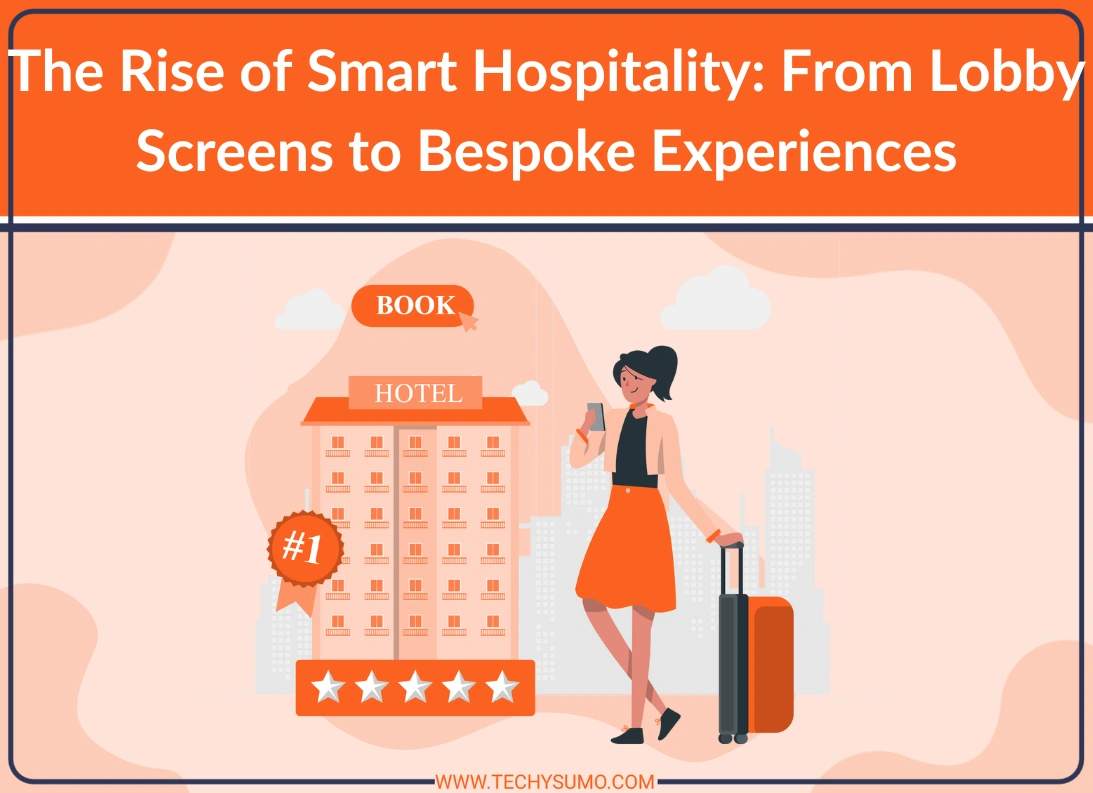
Hospitality has always been an industry built on human connection, comfort, and experience. Yet, modern guests expect more than just warm service and stylish surroundings. Today, they want frictionless journeys, personalised interactions, and seamless digital touchpoints that enhance their stay from arrival to departure. As a result, hotels are moving beyond traditional screens and static messaging, embracing smart, dynamic, and connected communication systems that shape the entire guest experience.
This shift has led to the growing use of tools, which transform hotel spaces into intelligent environments that guide, engage, and delight guests in meaningful ways.
Table of Contents
- The Digital Lobby Welcome
- Personalised Communication for Every Type of Guest
- Guided Navigation Through Smart Wayfinding
- Real Time Updates That Keep Guests in the Know
- Enhancing Revenue with Smart Promotions
- Turning Hotel Spaces into Interactive Information Hubs
- A Smart Hotel Is an Experience Hotel
- The Future of Hospitality Is Connected, Personal, and Intelligent
The Digital Lobby Welcome
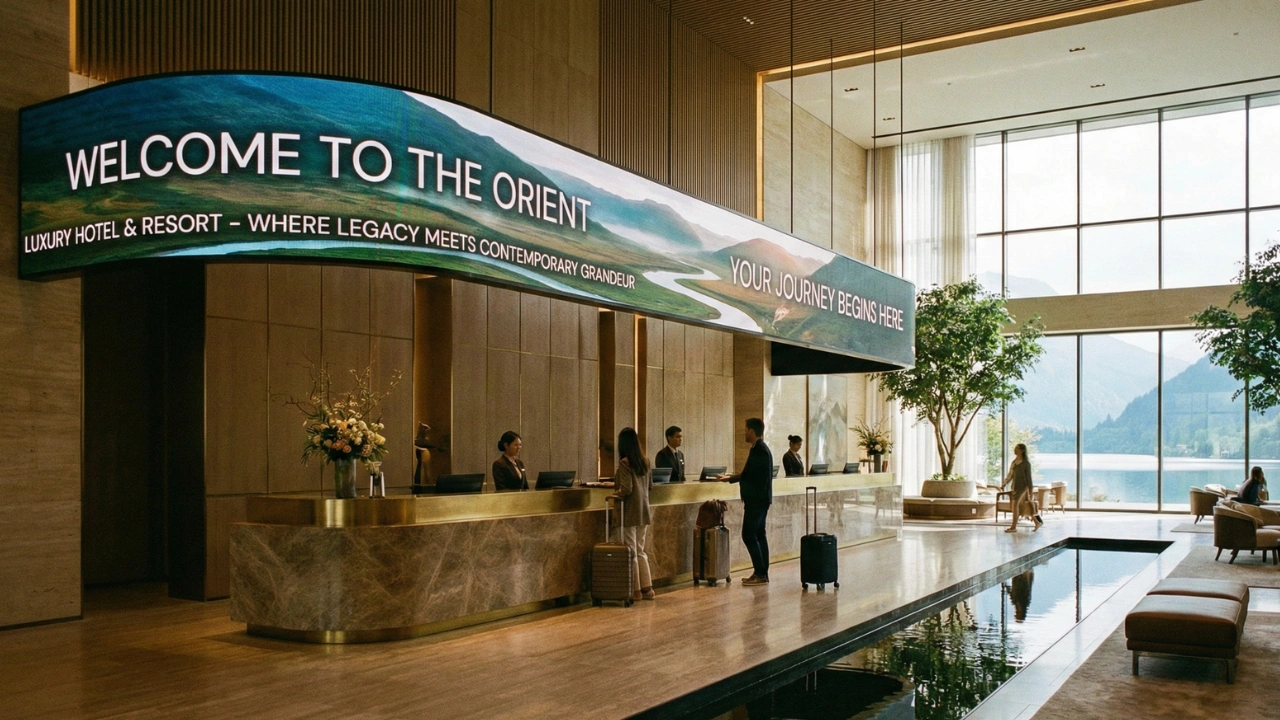
First impressions matter, and the lobby is often where a guest forms their first opinion of a hotel. Hotel digital signage is now being used to go beyond static welcome boards and generic messages. Hotels use interactive displays to provide personalised welcomes, event highlights, live weather updates, local travel information, or promotional offers.
These screens can also display check-in guidance, directions to rooms or meeting spaces, or queue management information to help guests skip waiting lines. In essence, the lobby becomes more than a reception. It becomes a digital concierge.
Personalised Communication for Every Type of Guest
Smart hospitality is about recognising that not all guests have the same purpose, preferences, or expectations. A family staying for a beach holiday has different needs than a business traveller attending a conference. With the right digital tools, hotels can tailor messaging based on guest type, time of day, or location.
Also Read


For example:
- Meeting room screens can display conference schedules and interactive maps
- Family-friendly zones can show children’s activities, pool times, or dining options
- Spa and wellness areas can promote offers and treatment reminders
This level of personalised communication helps hotels connect with guests more meaningfully.
Guided Navigation Through Smart Wayfinding
Large hotels, resorts, and conference venues can be difficult to navigate. Smart digital wayfinding helps guests find their rooms, event halls, dining areas, or spa facilities easily. Interactive maps, touchscreen kiosks, and location-based screens allow guests to search for facilities and get directions tailored to their needs, including accessibility options.
This reduces the strain on reception staff and improves overall guest satisfaction, especially for first-time visitors or large event attendees.
Real Time Updates That Keep Guests in the Know
Events change, schedules shift, and updates happen daily. Rather than printing new signs or relying on staff announcements, hotels use real-time digital signage to display live updates. Whether it is a change in conference room location, a pop-up evening event, or a restaurant reservation opening, this information can be shared instantly across multiple screens.
Guests receive timely alerts while staff can focus on service rather than repeatedly answering the same questions.
Enhancing Revenue with Smart Promotions
Smart hospitality is not only about elevating the experience. It is also about increasing business opportunities. Hotels now use digital signage to promote seasonal offers, spa packages, limited-time upgrades, and restaurant specials in a visually engaging way.
Screens near elevators, lounges, and lobbies are ideal for catching attention during moments of waiting. These targeted promotions help hotels increase conversions without being intrusive.
Turning Hotel Spaces into Interactive Information Hubs
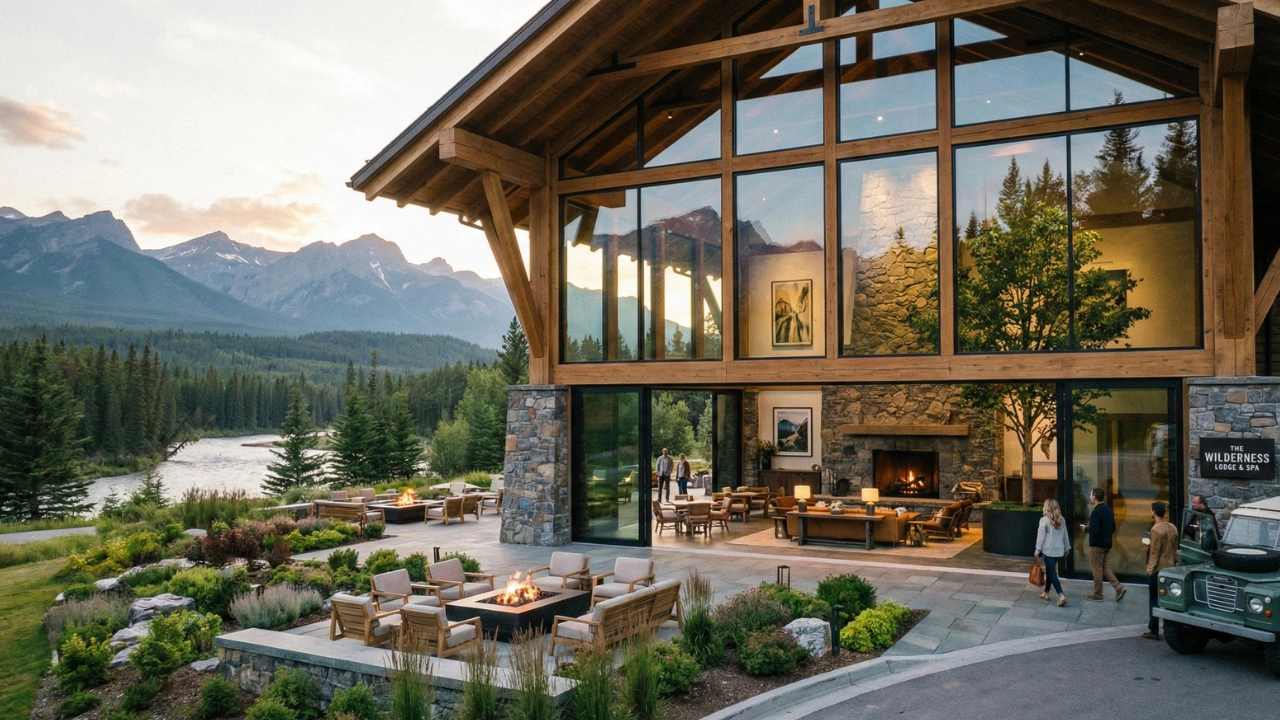
Gone are the days when digital screens were just for decoration. Smart screens are now strategically placed to serve different purposes across the hotel:
- In-room displays deliver personalised greetings, daily schedules, and local attractions
- Conference areas use screens to display session schedules and speaker information
- Pool and leisure zones highlight fitness classes, sunset events, and poolside dining
- Reception lounges provide weather, social media feeds, and transport details
This transforms hotel spaces into information-rich environments that support guest journeys at every step.
A Smart Hotel Is an Experience Hotel
Technology on its own does not make hospitality smart. What makes it truly powerful is the way it enhances the human experience. Smart digital signage helps hotels create meaningful, relevant, and connected stays, where guests feel informed, supported, and valued.
From the moment a guest walks in, to the moment they check out, digital tools help build a narrative of care, convenience, and tailored service. It is no longer just about providing a place to stay. It is about delivering an experience to remember.
The Future of Hospitality Is Connected, Personal, and Intelligent
As digital and physical spaces blend more seamlessly, hotels are discovering new ways to craft experiences that are both human and smart. Intelligent signage, personalised content, and real-time updates are quickly becoming part of the foundation for modern hospitality.
In the rise of smart hospitality, every screen is more than a display. It is an opportunity to connect, inform, and delight guests in ways that go beyond expectation.